What Monarchy Is
A government headed by one hereditary ruler for life, a king, queen, emperor, sultan or emir, whose power ranges from absolute to purely ceremonial. Britannica defines it as a political system based on the undivided sovereignty or rule of a single person who is head of state and gains the position through heredity. The word comes from the Greek for rule by one. Most monarchies have allowed only male succession, usually from father to son.
A monarchy is more than a ruler. Britannica says it consists of a government and state administration on one side and a court on the other, with a “court society” of nobility tied to the dynasty (the court). About 43 sovereign countries are still monarchies in 2026, one 2026 count says, 15 of them Commonwealth realms that share King Charles III (the count).
Who Rules: One Hereditary Ruler, Often Under Law
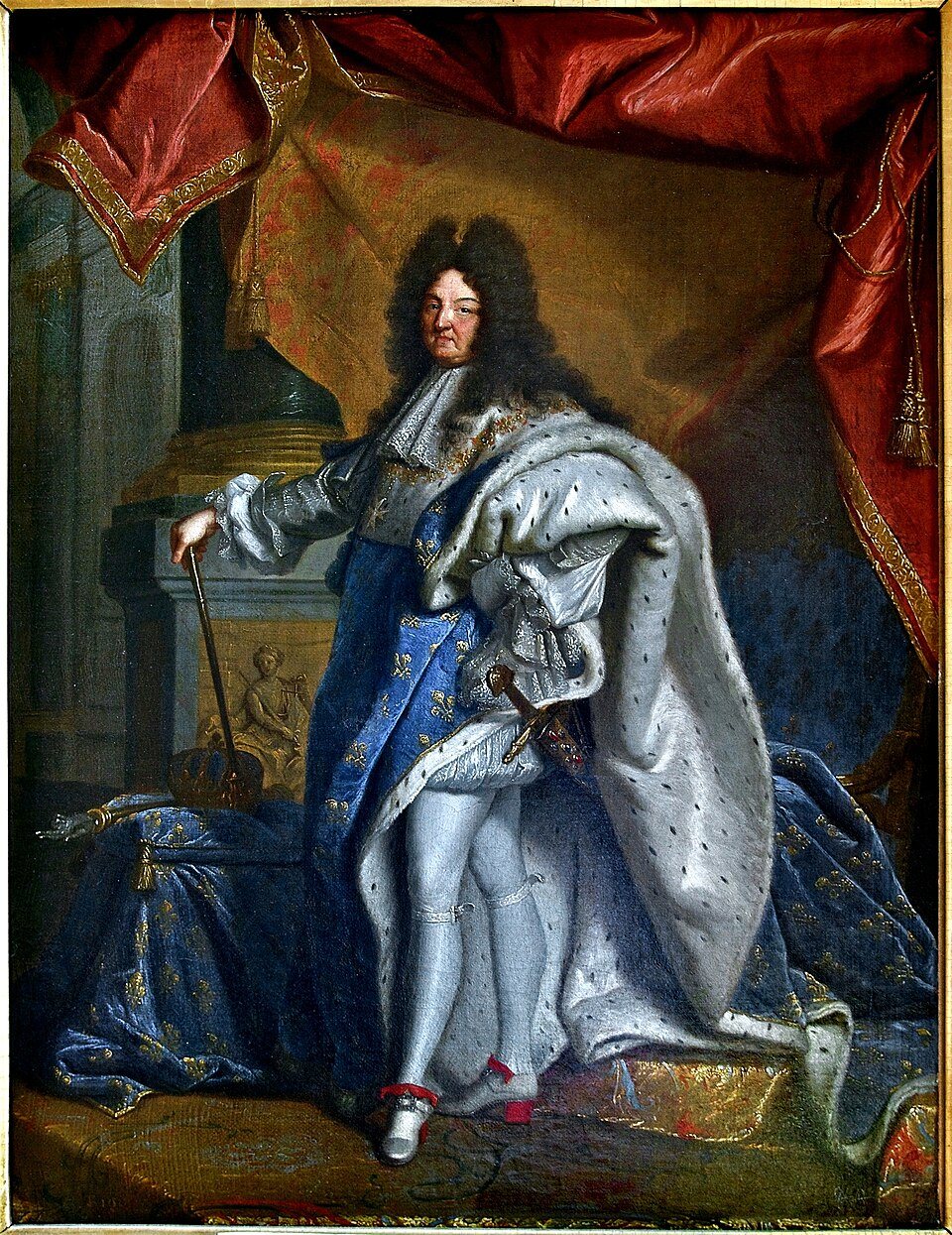
In an absolute monarchy the ruler holds supreme authority. Louis XIV of France is the symbol: “L’état, c’est moi,” “I am the state” (Louis XIV). Britannica says most absolute monarchy was “absolutist only in appearance,” since monarchs depended on administrators and were checked by bodies such as Britain’s Parliament or factions of the landed aristocracy.
In a constitutional monarchy the king or queen is head of state and a symbol, and political authority is exercised by elected politicians according to democratic procedures (constitutional monarchies). In the Gulf, power lies with a ruling family, an extended group whose members may number in the thousands, not a single individual (the Arab monarchies).
Between the two poles sit the states Freedom House describes in blunter terms. Of Eswatini it says the king exercises ultimate authority over all branches of government. Of Brunei it says the sultan exercises executive power and no one is elected at the national level. Of Oman it says power is concentrated in the hands of the sultan. Of Saudi Arabia it says no officials at the national level are elected.
Who Owns It: Many Economies Under Crowns
The crown does not decide the economy. The Renaissance monarchs, Britannica says, sponsored voyages of discovery, developed mercantile trade and built mass armies and bureaucracies. Oil-rich Gulf monarchies run state-led economies funded by oil revenue, which Britannica says helped their rulers overpower opposition. The constitutional monarchies of Norway, Denmark and Sweden sit near the top of the EIU’s 2025 Democracy Index (the Nordic case), so the crown tells you little about the economy beneath it.
Monarchy is therefore compatible with state-run, mercantile, market and mixed economies. The question of who owns what is answered by the government and its economic system, not by the throne.
The Claim to Rule
The oldest claim is sacred. Britannica says successful monarchs were believed to have a sacred right to rule: some were regarded as gods, as the Egyptian pharaohs and Japanese monarchs were, some were crowned by priests, others designated by prophets, and some, like the caliphs, led both religion and politics (the divine claim). Medieval European kings assumed the status of God’s representatives on earth.
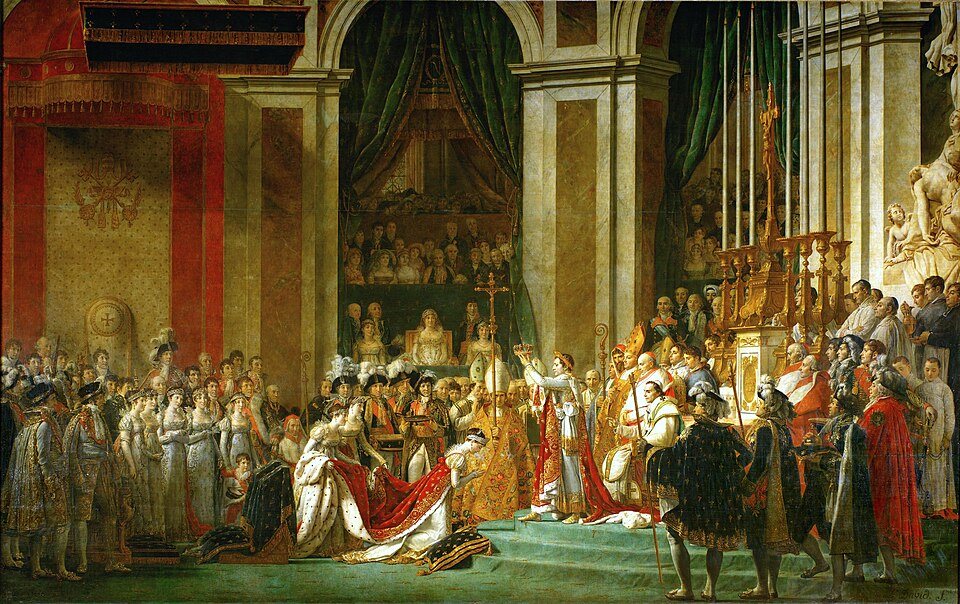
A second claim is cultural: a monarch embodies a people’s history and identity. Britannica says monarchy rests on the cultural identity and symbolism of the society it represents. A third, from Napoleon on, is nationalist: a monarch who rules on behalf of national aspirations (the nationalist monarch). The claims weakened as secularism and natural-rights thinking spread.
What It Promises and What It Asks
Monarchy promises continuity and unity above party. Britannica says in constitutional monarchies the monarch is a “unifying and symbolic head of state” and the traditions and ceremonies are national assets symbolizing historical continuity. Gulf monarchies promise stability, and Britannica notes Jordan and Morocco, which lack oil wealth, have been among the most stable regimes in the region.
It asks subjects to accept a ruler they did not choose and whom they cannot remove by vote. In absolute monarchies, Freedom House scores show what that has meant for rights: Saudi Arabia scores 9 out of 100, with 1 of 40 for political rights, and Brunei 27.
A Short History of Monarchy
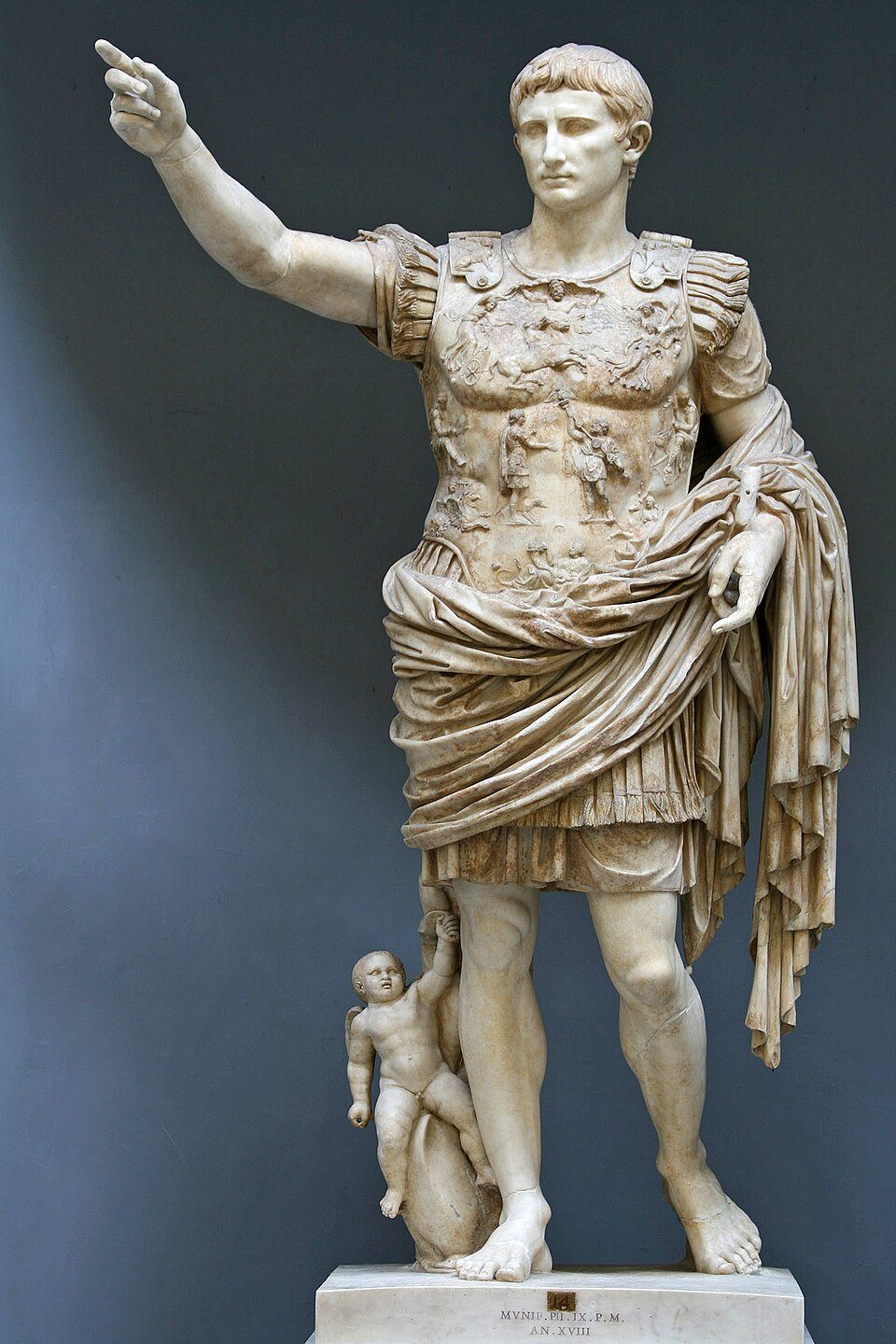
Britannica traces monarchy to warrior-leaders and state-builders. Octavian’s military record led to his rule as Augustus, the first Roman emperor (Augustus), and river-valley monarchies arose in ancient China, Egypt and Babylon to manage land and water. In the Middle Ages, theocratic kingship was weakened by the 11th-century Gregorian Reform, and kings became rulers of defined territories (the medieval turn).
The early modern period brought the absolutists, Louis XIV, Frederick the Great and Catherine the Great. Then monarchies were swept away: France in 1789, China in 1911 and Russia in 1917, and the Austrian, German and Ottoman monarchies collapsed after World War I (the fall). The survivors adapted. Britannica says monarchies could survive only if built on broad nationalist-popular support.
The mid-twentieth century was hard on crowns. Britannica says anticolonial, nationalist and Marxist movements regarded all monarchies as bastions of an obsolete order, and monarchs were blamed for injustice, corruption and backwardness. What lasted tended to be either ceremonial, as in northern Europe, or backed by oil revenue and outside military support, as in the Gulf.
The Forms of Monarchy
The forms run from the absolute to the ceremonial. Absolute or absolutist monarchy, with the ruler holding full authority, survives in a few states. Constitutional monarchy is the form of the United Kingdom, Belgium, the Netherlands, Norway, Sweden and Denmark. The Commonwealth realms share one monarch among 15 countries.
Other forms, in Britannica’s account: elective monarchy, in which kings came to power by election or acclamation as well as inheritance; the theocratic kingship of medieval Europe and the caliphate; “nationalist monarchy,” begun by Napoleon in 1804; and the Gulf’s family-based monarchies. One 2026 count includes the pope among the heads of state it counts as monarchs, which is why totals differ from list to list.
Where It Rules and Where It Ruled
Britannica says traditional monarchies by the early 21st century were largely confined to the Arab world: Kuwait, Saudi Arabia, Bahrain, Qatar, the United Arab Emirates and Oman, plus Jordan and Morocco. Freedom House’s 2026 scores for four absolute or near-absolute monarchies are all Not Free: Saudi Arabia 9, Eswatini 17, Oman 24 and Brunei 27 out of 100 (the scores).
Constitutional monarchies thrive elsewhere. Asia has the most monarchies (13), then Europe (12), the Americas (9), Oceania (6) and Africa (3), per one count. Britannica lists the Scandinavian countries, the Netherlands and Spain as parliamentary democracies with a hereditary ceremonial head of state.
The Case for It and the Case Against It
“Monarchies are all dictatorships.”
Britannica distinguishes absolute monarchies from constitutional ones, in which the monarch waives actual political power and elected politicians rule. Norway, Denmark and Sweden, constitutional monarchies per Britannica, hold top places in the EIU’s 2025 Democracy Index. Absolute monarchies such as Saudi Arabia, which Freedom House scores 9 out of 100, are a different case.
Defenders argue that a hereditary head of state stands above party, symbolizes continuity and can steady a country in crisis. In the United Kingdom, YouGov’s October 2026 tracker found 64 percent of Britons want to keep the monarchy, a figure that has stayed in the 61 to 67 percent range throughout Charles III’s four-year reign, and 55 to 58 percent view the monarchy favorably (British opinion). More than half, 52 percent, say it is good value for money.
Critics say hereditary rule is incompatible with equal citizenship and that absolute monarchy denies rights: in the Gulf, Freedom House says, power rests with one family. Britannica adds that mid-20th-century opposition movements, anticolonial, nationalist and Marxist, regarded all monarchies as bastions of an obsolete order and blamed monarchs for injustice, corruption and backwardness. Even in Britain, 25 percent prefer an elected head of state, and the young are less supportive.
What Monarchy Is Not
“Constitutional monarchs rule their countries.”
Britannica says in constitutional monarchies the sovereign “waives actual political power, which is assumed by the people,” remaining head of state and national symbol. Elected politicians exercise authority and the process runs according to democratic procedures. The monarch performs ceremonial duties.
It is not the same as dictatorship. A dictator takes power by force or party, and a monarch gains office by heredity, though absolute monarchs can rule as autocrats. It is not the same as aristocracy, rule by a class of nobles, though monarchies keep courts of nobility. And it is not the same as theocracy, though the caliphs and some medieval kings combined religious and political authority.
The word also covers very different things. In Britain the monarch is a symbol, in Saudi Arabia the king holds the executive, and in the Gulf the ruling family rules collectively. The Commonwealth realms show a further twist: a single monarch is the head of state of 15 countries.
Monarchy Today
About 43 sovereign monarchies exist in 2026, by one count. Britain’s is the best polled: YouGov finds 64 percent want to keep it and 25 percent an elected head of state, with 81 percent of people over 65 supporting it against 46 percent of 18- to 24-year-olds. The King himself is largely popular, though opinion has slipped since July.
The absolute monarchies score badly on freedom, as the scores above show. Eswatini’s king holds ultimate authority over all branches of government and controls local government through chiefs, and Oman’s sultan concentrates power and penalizes dissent.