The Pattern Behind the Headlines
The Hartford Institute for Religion Research defines a megachurch as a Protestant congregation with at least 2,000 people in weekly attendance and a charismatic, authoritative senior minister, and it counts about 1,800 of them in the United States. Size brings money, media reach and a founder whose name is the brand. Since 2018 a run of investigations has shown what that combination can hide: a founder whose abuse of a 12-year-old was known to most of his elders, a world-famous apologist whose misconduct surfaced only after his death, and a denomination whose national staff kept a private list of 703 accused abusers while telling survivors it could do nothing.

The cases differ in theology and church structure. The tools used to keep them quiet are strikingly alike: nondisclosure agreements, quiet resignations, boards chosen by the leader, scripture recast as a gag order, lawyers whose duty runs to the institution, and laws that let churches skip the reporting and disclosure other large organizations face. None of these is unique to evangelicals. The Catholic Church, the Boy Scouts and USA Gymnastics used versions of the same tools, which is the strongest evidence that the problem is institutional, not doctrinal.
Every case carries its exact status: an allegation, an admission, a finding of a named investigation, a settlement, a charge, a conviction or an acquittal. A finding by investigators a church hired is not a court verdict, and a lawsuit dismissed on a deadline is not an exoneration. The people named have the same right to an accurate record as the people they are accused of harming.
The Southern Baptist Record
“The Southern Baptist abuse crisis was a hoax cooked up by activists.”
The convention’s own messengers ordered the 2022 Guidepost investigation. It found national staff had kept a list of 703 accused abusers while telling survivors nothing could be done. Earlier, Houston Chronicle reporters documented about 220 Southern Baptist church workers convicted of or pleading guilty to sex crimes since 1998. Those are court records, not activist claims.
The largest Protestant denomination in the country became the clearest test case. In February 2019 the Houston Chronicle and San Antonio Express-News published Abuse of Faith, which found that roughly 380 Southern Baptist church leaders and volunteers had faced allegations of sexual misconduct since 1998, leaving more than 700 victims, and that about 220 had been convicted or taken plea deals. Survivors had asked for a national list of offenders as early as 2007, and the Executive Committee rejected it in 2008, citing the independence of local churches.
In June 2021 more than 15,000 messengers, the delegates of local churches, overruled their leaders and ordered an outside inquiry. The Guidepost Solutions report, released in May 2022, found that a few senior staff and outside lawyers had for almost two decades met survivors with “resistance, stonewalling, and even outright hostility,” focused on avoiding liability. One staffer had kept a list of 703 accused abusers while the convention said it could track no one. The report detailed a 2010 sexual assault allegation against former convention president Johnny Hunt, which he denies, and how earlier leaders such as Paige Patterson and Paul Pressler had been accused of mishandling or committing abuse.
The aftermath shows how reform stalls. A Justice Department investigation ended in March 2025 with no abuse charges. Legal bills from that inquiry and from two defamation suits drained the Executive Committee’s reserves. The promised database of abusive pastors, Ministry Check, was shelved in February 2025 with no names on it. In June 2026 messengers elected Willy Rice, who has called the abuse crisis a “ruse” and a “snipe hunt,” as president, and in July more than 80 survivors and advocates asked him and another pastor to apologize for calling it a hoax.
Founders Above Their Own Boards
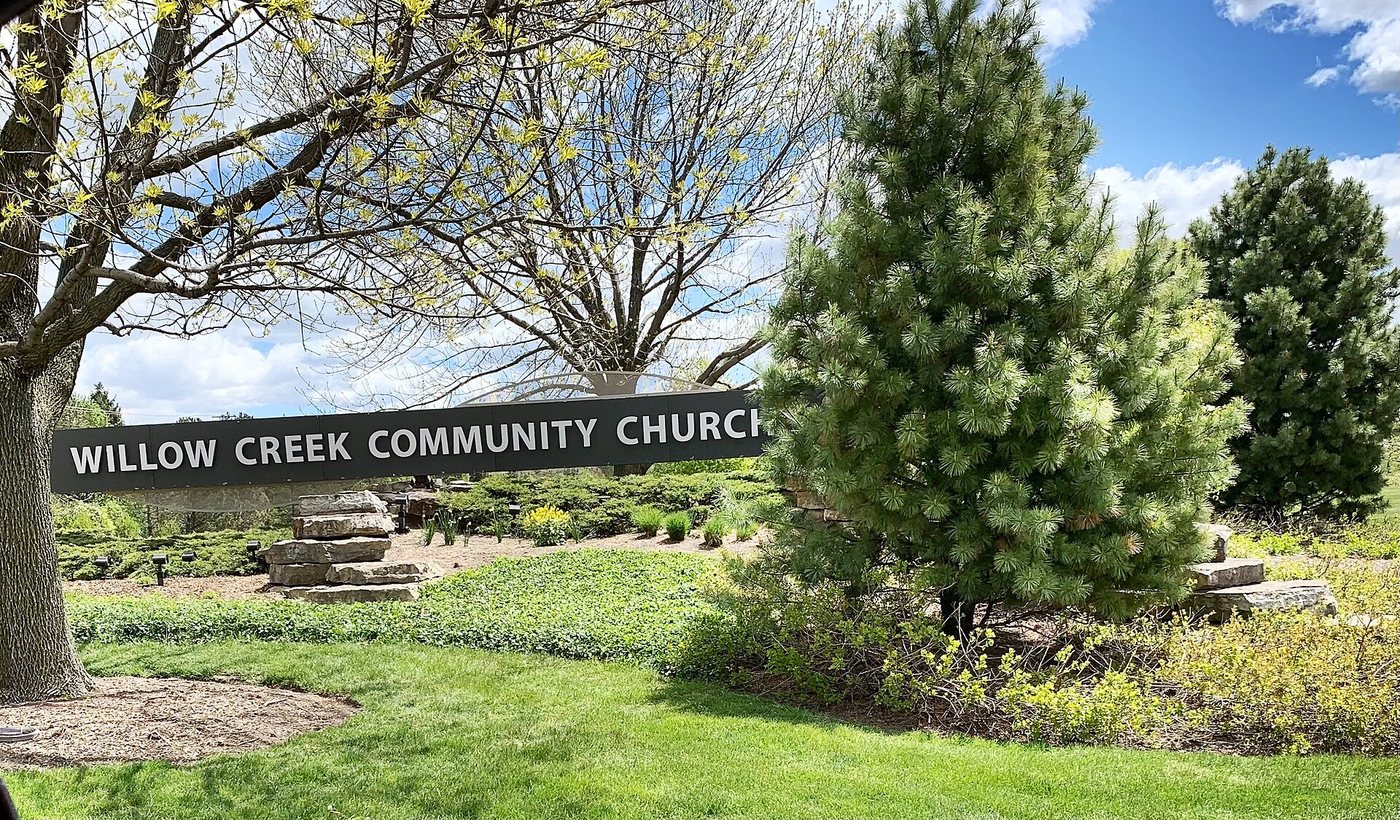
Independent megachurches add a second weakness: the founder often chooses the people who are supposed to oversee him. At Willow Creek Community Church near Chicago, Bill Hybels stepped down in April 2018 after women described decades of sexual misconduct. The church first called the allegations lies; in February 2019 an independent advisory group found them credible. Hybels has denied misconduct. At Ravi Zacharias International Ministries the board defended its founder until after his death in May 2020, and the law firm it then hired found a long pattern of sexual misconduct.

At Gateway Church in Texas, Robert Morris resigned in June 2024 after Cindy Clemishire said publicly that he had abused her beginning in 1982, when she was 12. He pleaded guilty in Oklahoma in October 2025 and served six months in jail. The church’s own law firm then found that most of its elders had known her age. At the International House of Prayer Kansas City, a report commissioned by former leaders found that founder Mike Bickle committed sexual abuse or misconduct involving at least 17 people. In Australia, Hillsong founder Brian Houston was acquitted in 2023 of concealing his father’s abuse of a boy, after resigning over separate complaints the board had handled privately for a decade. Hillsong’s New York pastor, Carl Lentz, had been fired in 2020.
Smaller networks show the same shape. At Sovereign Grace Ministries, a civil suit accusing leaders of covering up child abuse was dismissed on time limits, while a former youth leader was convicted at trial in 2014. A Memphis teaching pastor, Andy Savage, won a standing ovation from his congregation early in 2018 after addressing a 1998 encounter with a 17-year-old in his youth group, and resigned two months later. The seminar teacher Bill Gothard, who resigned in 2014 amid allegations from more than 30 women, has denied them and has never been convicted.
The Silencing Toolkit
The most direct tool is the nondisclosure agreement. When Clemishire sought restitution in 2007, Morris’s lawyer offered her $25,000 to sign one; she refused, which is why her account could be told. Trey Carlock, abused as a boy by a director at Kanakuk Kamps in Missouri, signed one as part of a settlement and died by suicide in 2019 at age 28. Zacharias paid a couple who had accused him of spiritual abuse and sexting $250,000 and bound them to silence in 2017, while telling his staff he was the victim.
The second tool is the quiet exit. A leader steps back for a “moral failure,” and the congregation is not told that the other person was a child, an employee or a counselee. Gateway first described Morris’s abuse of a 12-year-old as “a moral failure” from 35 years earlier. When a leader leaves this way, nothing follows him: the Chronicle found at least 35 people with records of predatory behavior who found new church jobs, and only in 2019 did Texas protect charities that warn a new employer in good faith.
The third tool is restoration. A small circle of fellow pastors declares the fallen leader repentant and fit to return. Hunt was declared restored in a video in 2022, and court records unsealed in 2026 show him discussing a publicity plan for the announcement. The fourth tool is legal. Churches answer allegations through lawyers and insurers whose duty is to the institution, and survivors who keep speaking meet attacks on their motives.
Scripture as a Shield
“The Bible says to handle it privately, Matthew 18, not to drag a pastor through the courts and the press.”
Matthew 18 is about a personal grievance between members, not a crime against a child. Even Southern Baptist staff wrote in 2019 that victims who went to leaders privately were “shunned, shamed, and vilified.” The IHOPKC investigators faulted leaders for requiring victims to confront their abusers. Crimes go to the police.
Abuse inside a church is often defended in a vocabulary that sounds like faith. The most common line is “touch not mine anointed,” from Psalm 105, where it protects the people of Israel; it is now used to warn members against criticizing a pastor, a misapplication that Christianity Today says lets threats and retaliation pass as church discipline. The second is Matthew 18, Jesus’s instruction to raise a grievance first in private, which leaders cite to steer a victim into a meeting with the person who harmed her. The IHOPKC investigators found leaders “requiring victims to confront their offenders.”
The third is forgiveness. Survivors describe being told to forgive the pastor, and Guidepost recorded a seminary student who said officials urged her to forgive the man who raped her. Rachael Denhollander, the first woman to accuse the gymnastics doctor Larry Nassar publicly and a conservative evangelical, forgave him in court and has said that forgiveness and justice belong together. The fourth is the language of mission and unity, in which survivors who speak out are told they threaten the gospel. Russell Moore, writing in Christianity Today in 2022, called that taking the Lord’s name in vain.
These moves match a pattern the psychologist Jennifer Freyd named DARVO: deny, attack, and reverse victim and offender. In experiments, people who read an accused person’s DARVO response believed the victim less. People taught about the tactic first were harder to move.
Who Holds the Power and the Money
Most megachurches are independent or belong to networks in which each congregation governs itself. Local church autonomy is a sincere conviction, and the Guidepost report shows how it became an all-purpose reason that no national body tracked offenders. Inside a single church, the same independence often means an elder board made up of the founder’s staff, friends or family. Gateway let employees serve as elders until the 2024 scandal forced a rule change.
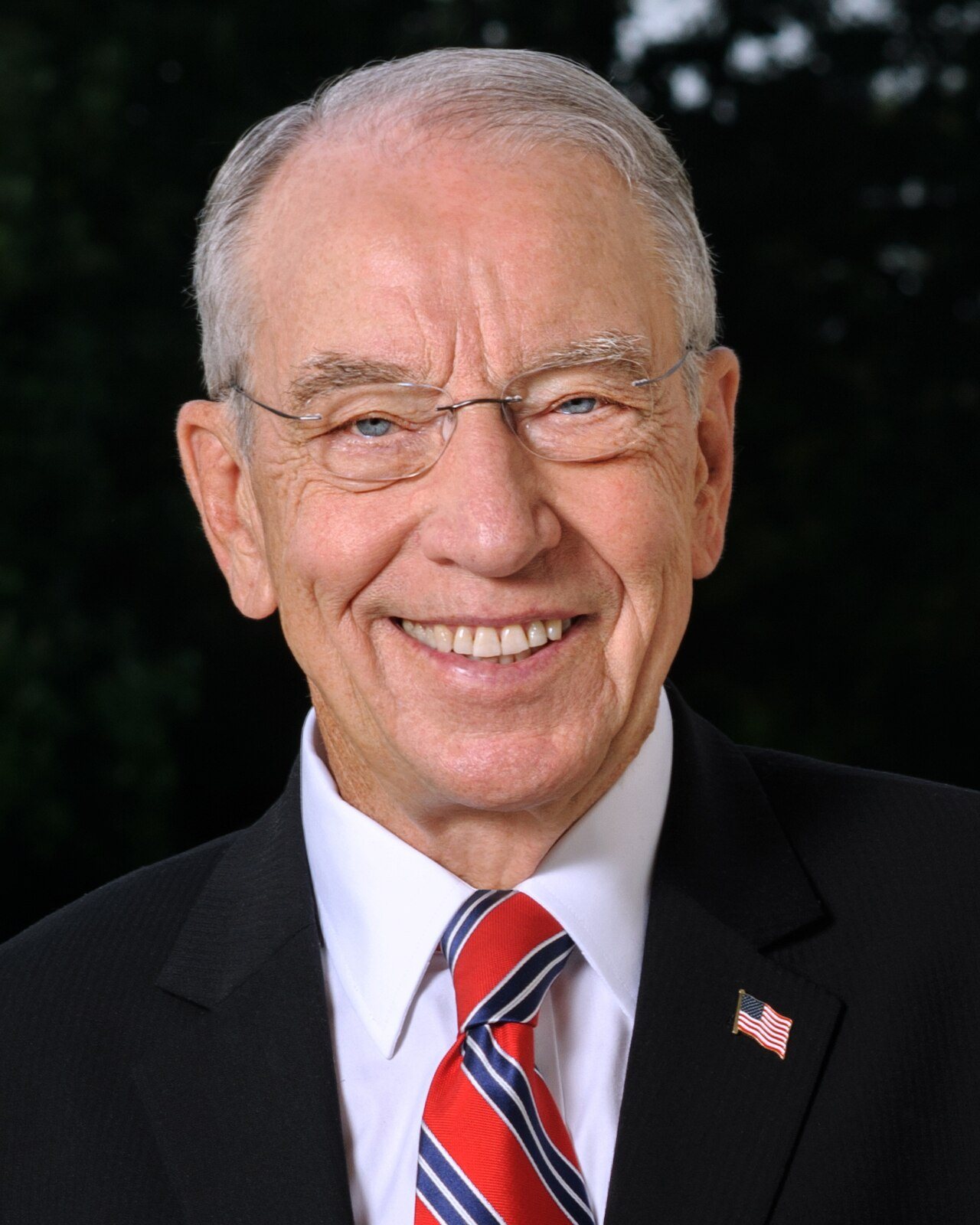
Money adds secrecy. Unlike most tax-exempt organizations, a church does not file the IRS Form 990, the public statement of finances other charities must file, and Congress has limited when the IRS may even begin an inquiry into one. When Senator Chuck Grassley asked six television ministries for financial records in 2007, four gave incomplete answers or none. The main voluntary check is the Evangelical Council for Financial Accountability, a seal of approval that missed problems at one Chicago-area megachurch for years and in 2025 lost Franklin Graham’s ministries over a new standard for leader accountability.
Courts add a layer. In 2012 the Supreme Court recognized a ministerial exception that bars employment discrimination suits by ministers against their churches, while leaving open how far it reaches. Large church-run institutions are not beyond federal law: in 2024 Liberty University agreed to pay a $14 million fine, the largest ever under the Clery Act, after investigators found that its treatment of assault survivors had created “a culture of silence.”
Where the Law Runs Out
Whether a pastor must call the authorities depends on the state. About 29 states name clergy as mandatory reporters of child abuse, and about 16 more require every adult to report. Most also protect some pastoral conversations through clergy-penitent privilege. When Washington removed that protection for confession in 2025, a federal judge blocked the change and the state agreed not to enforce it.
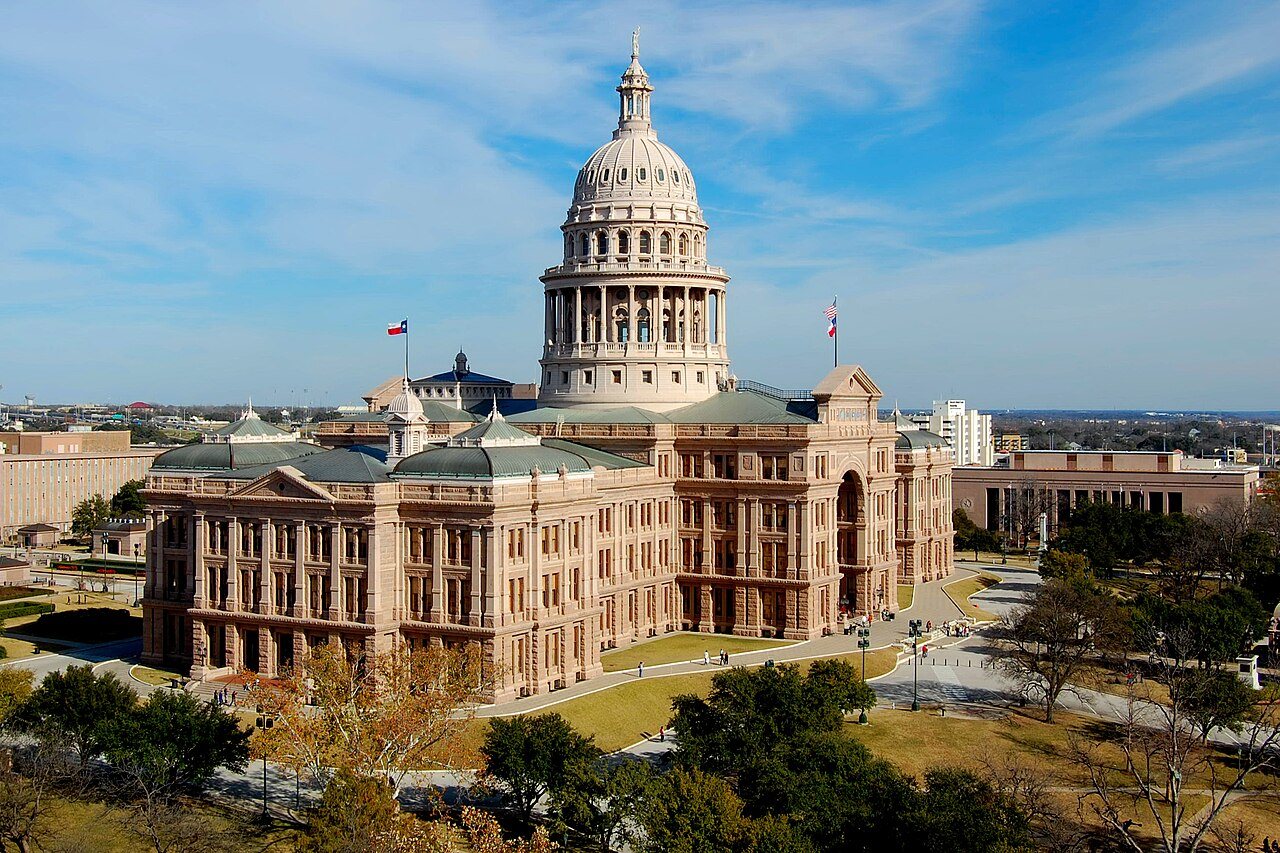
Time limits are the second gap. Survivors of child abuse often disclose decades later, and statutes of limitations ended the Sovereign Grace suit and nearly ended the Pressler suit. Some states have opened revival windows that let old claims proceed, and church institutions have fought them: in 2023 lawyers for the Southern Baptist Executive Committee and two convention entities argued in a Kentucky case that the state’s expanded law should not apply to past abuse, without telling the denomination’s own abuse reform task force.
The newest front is the silence agreement. Trey’s Law, named for Trey Carlock, voids nondisclosure provisions that stop survivors from describing sexual abuse. Missouri enacted a version in June 2025. Texas followed 10 days later with a version that also covers adult sexual assault and reaches agreements already signed; it passed 31 to 0 in the Senate and 144 to 0 in the House. Oklahoma, Alabama and Georgia took up versions in 2026.
How Big the Problem Is
No one knows how common abuse is in Protestant churches, and the reason is structural. America’s Catholic bishops commissioned a national count in 2004. No Protestant body with comparable reach has done the same. What exists are pieces. In 2007 the three insurers that cover most Protestant churches told the Associated Press they received about 260 reports a year of minors abused by clergy, staff, volunteers or members, a figure they did not document and that one abuse counselor said probably did not reach half the true number.
Academic studies fill in the shape. A 2009 analysis of the General Social Survey found that 3.1 percent of women who attend services monthly had received a sexual advance from a clergyperson or leader in their own congregation as adults. A 2018 study of 326 arrests found that nearly two-thirds of the accused were pastors or youth ministers. Churchgoers suspect more is hidden: in a 2019 Lifeway Research survey, 32 percent of Protestant churchgoers said many more pastors had abused children than had been exposed.
Prevention is just as poorly measured. A 2024 Lifeway report found that only 58 percent of Southern Baptist churches that answered said they background-checked staff who work with children. Denominations from the Assemblies of God to the Episcopal Church told Religion News Service they do not track whether their congregations follow their own child-safety policies.
Why Congregations Defend the Accused
When a beloved pastor is accused, many members side with him, and the research explains why without assuming bad faith. The psychologist Jennifer Freyd’s work on institutional betrayal describes harm done by an institution to people who depend on it, including a failure to respond well to abuse. People who depend on an institution have strong reasons not to see its failures. A congregation that has built its friendships, marriages, children’s schooling and sense of God’s favor around one leader has a great deal to lose by believing an accusation.
Survivors then pay twice. In a 2026 study of adults sexually exploited by pastors in Australia, survivors described being disbelieved, blamed, told to forgive and shunned, and the author concluded that the church’s response compounded the original harm. Teaching can prime the reaction. A 2020 study found that Christians who endorsed purity culture were more likely to accept myths about rape and to label marital and acquaintance rape as consensual sex. Where a church teaches that faithfulness brings visible blessing, as the prosperity gospel does, a pastor’s success can look like proof of God’s approval.
Survivors who organized under the #ChurchToo banner from 2017 onward made a further argument: that the sexual ethic taught in many conservative churches, and the shame and silence it breeds, are part of the problem.
An Old Pattern in New Buildings
Evangelical scandals did not begin with megachurches. In 1987 the television preacher Jim Bakker admitted a sexual encounter with a church clerk who said he had assaulted her; he was convicted of fraud in 1989 after an investigation of his ministry’s finances. In 1988 Jimmy Swaggart was photographed with a prostitute and refused his denomination’s discipline. In 2006 Ted Haggard, president of the National Association of Evangelicals, resigned from his Colorado megachurch after admitting he bought methamphetamine and paid a male prostitute for massages.
The closest parallel is the Catholic Church. In January 2002 the Boston Globe reported that the Archdiocese of Boston had moved a priest accused by more than 130 people from parish to parish. The John Jay College study the bishops commissioned found allegations against 4,392 priests from 1950 to 2002, about 4 percent of those who served. In 2018 a Pennsylvania grand jury described more than 1,000 child victims in six dioceses and a systematic cover-up by church officials.
Secular institutions followed the same script. More than 80,000 men filed abuse claims against the Boy Scouts, and USA Gymnastics, the Olympic committee and the federal government paid hundreds of millions of dollars after failing to stop the team doctor Larry Nassar. The common factors were structural, not doctrinal: a trusted institution, adults with unchecked access, a reputation worth protecting and no outside body with power to look.
What Real Accountability Looks Like
Survivors forced every reform described so far. The #ChurchToo movement gave them a public channel, and advocates such as Christa Brown, who was calling for a list of accused Southern Baptist ministers by 2007, Jules Woodson, Tiffany Thigpen and Rachael Denhollander kept pressing after leaders moved on.

Their central demand is a genuinely independent investigation, and the difference shows in the paperwork: who hires the investigators, whether they report to the board or to a committee that includes survivors, whether attorney-client privilege is waived, and whether the full report is published. Guidepost began only after the Southern Baptist committee waived privilege. Hillsong’s New York report stayed private until it leaked. At IHOPKC the main accuser and former leaders refused to cooperate with the firm the ministry hired, citing its independence, and a later report overseen by an outside network found far more. GRACE, a Christian nonprofit that investigates ministries, says its investigators are never “directed or controlled” by the institution that hires them and that victims receive the report.
A report is a beginning. Ten years after GRACE’s review of Bob Jones University, survivors told Religion News Service too little had changed, and the Southern Baptist reforms ordered in 2022 had largely stalled by 2026.
What to Check Before You Trust a Church
Most child-safety advice stops at background checks, which catch only people with a record. The more revealing questions concern power: who oversees the senior pastor, whether any elder is paid by the church or related to him, whether the church has ever commissioned an outside investigation and published it, whether departing staff sign nondisclosure agreements, and whether the church will say in writing that it calls the authorities before any internal process begins.
Then read the written policy against the six components the Centers for Disease Control and Prevention set out for youth-serving organizations: screening, rules for how adults interact with children, monitoring, safe physical spaces, a defined response to policy breaches and allegations, and training. Look for specifics, such as two adults present with children and windows in classroom doors, rather than a statement that the church takes safety seriously.
Finally, any adult in any state may report suspected child abuse directly to child protective services or the police, whether or not the law requires it. A church’s internal process is never a substitute for that call.