Three Faiths, One Family
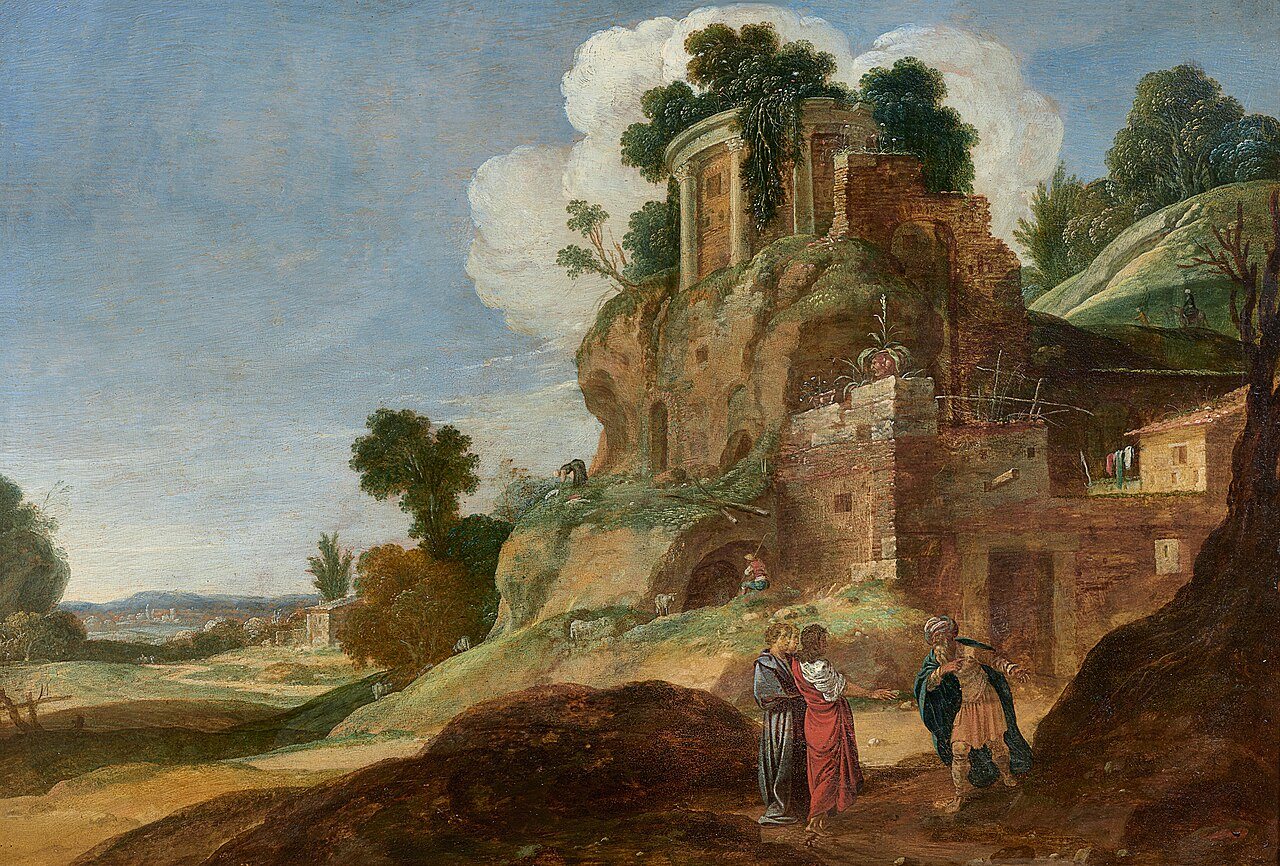
Judaism, Christianity, and Islam each tell their story through Abraham, the herdsman whom Genesis presents as the first person to answer the call of one God. Jews trace their people through his son Isaac. Muslims honor Abraham as a prophet who, with his son Ishmael, raised the Kaaba in Mecca. Christians call him the father of all who believe. That shared ancestor is why the three are called the Abrahamic faiths, and why each insists that God is one.
Together they claim more than half of humanity. In 2020, by the Pew Research Center’s count, Christians numbered 2.3 billion, or 28.8 percent of the world, and Muslims made up 25.6 percent, the fastest-growing major group of the decade. Jews numbered 14.8 million, about 0.2 percent. The other fast-growing category was people with no religion, who reached 1.9 billion.
In the United States, Pew’s 2023 to 2024 Religious Landscape Study found that 62 percent of adults identify as Christian, down 16 points since 2007, while 29 percent claim no religion. Jews are 1.7 percent of adults and Muslims 1.2 percent. The Christian decline has held roughly level since 2019.
Each faith has a core its members share, arguments inside it that have run for centuries, and a line between what believers hold by faith and what historians can establish. Keeping those three things apart is the only fair way to describe any of them.
Judaism: A Covenant, a Law, and an Argument
Judaism begins with a relationship. In the Hebrew Bible God makes a covenant with Abraham and renews it at Mount Sinai with the people of Israel, who receive the Torah. Torah means teaching. In the narrow sense it is the Five Books of Moses; in the wide sense it is everything Jews have learned from them since, including the Oral Torah that rabbinic tradition holds was also given at Sinai.
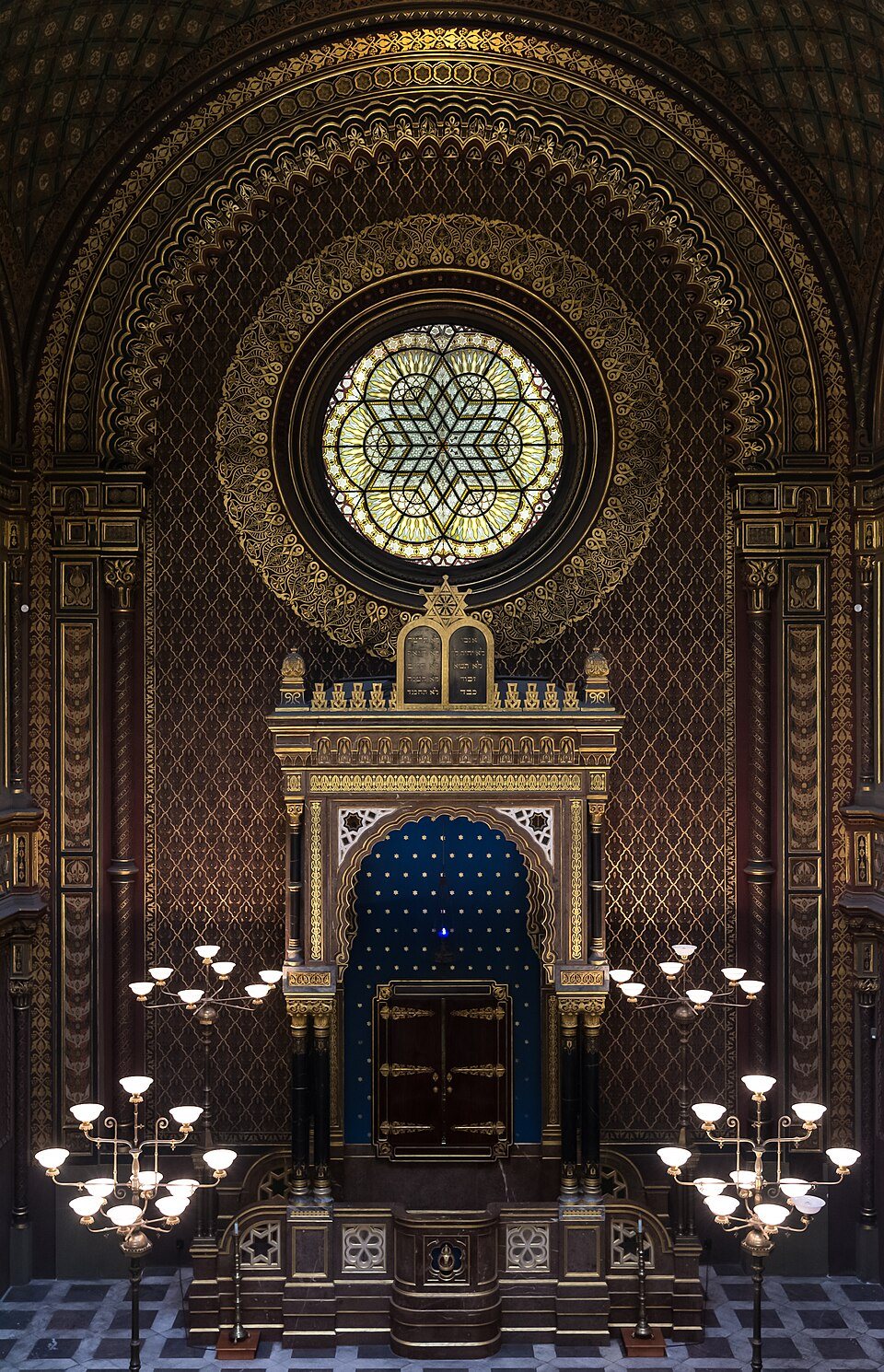
The central declaration is the Shema, recited morning and evening: “Hear, O Israel: The LORD our God is one LORD” (Deuteronomy 6:4, KJV). The duties that flow from it were counted by a rabbi quoted in the Talmud as 613 commandments, 248 positive and 365 prohibitions.
The rabbis wrote their debates down. The Talmud preserves not only rulings but the minority opinions, often by name. After the schools of Hillel and Shammai argued for three years, the Talmud reports, a heavenly voice declared that both were the words of the living God, and the law followed Hillel. Practical Jewish law, halakha, from a root meaning to walk, grew out of that argument and still shapes observant life.
Asked to teach the whole Torah while the questioner stood on one foot, the sage Hillel answered that what is hateful to you, you should not do to another; the rest is commentary, so go and study. Belief matters too, though Judaism has never had a single binding creed. Maimonides listed thirteen principles of faith in the twelfth century, and other great scholars disputed several of them. The most misunderstood idea is that Jews are the chosen people. In the Hebrew Bible’s own terms it is a choice for obligation: “You only have I known of all the families of the earth: therefore I will punish you for all your iniquities” (Amos 3:2, KJV).
How Judaism Is Lived
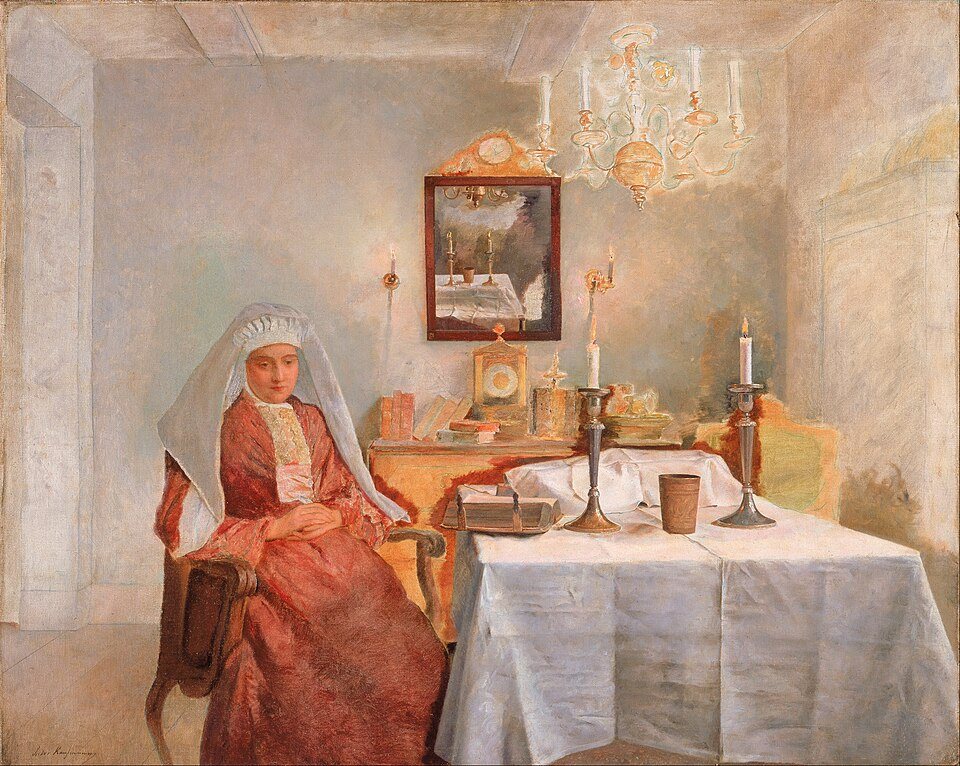
Most of Judaism happens at home and on the calendar. Every week brings Shabbat, about 25 hours from just before sundown Friday to nightfall Saturday, set apart from work. Food follows the laws of kashrut, meaning fitness: some animals are forbidden, permitted animals must be slaughtered a set way, and meat and milk are kept apart. The year turns through a cycle of festivals that retell the people’s story, from the Exodus at Passover to the Days of Awe in the fall.
Giving is not called charity. The Hebrew word, tzedakah, comes from the root for justice. Above nearly every rule stands the duty to save a life: the Talmud reads Leviticus 18:5, that a person shall live by the commandments, to mean live by them and not die by them, so Sabbath and fast-day laws give way when a life is at risk. The phrase tikkun olam, repairing the world, has roots in rabbinic law and sixteenth-century mysticism, and its use for social action dates to the 1950s.
Judaism says more about how to live than about what follows death. Traditional belief looks to a messiah, a human descendant of King David who will restore Israel and bring peace, and to a World to Come, but the details have always been left open. Disagreement over how binding the law is divides the modern movements. Among American Jews in 2020, Pew found 37 percent Reform, 17 percent Conservative, 9 percent Orthodox, 4 percent in smaller movements such as Reconstructionism, and 32 percent with no branch at all.
Christianity: Jesus and What He Taught
Christianity centers on a person. Christians believe that Jesus of Nazareth, a Galilean Jew executed by Rome, is the Son of God who rose from the dead. Historians can establish less: that he lived, taught, gathered followers, and was crucified on the authority of the Roman governor Pontius Pilate. Most of what is known about him comes from the four Gospels, which scholars date to roughly 70 to 95, a generation or two after his death.
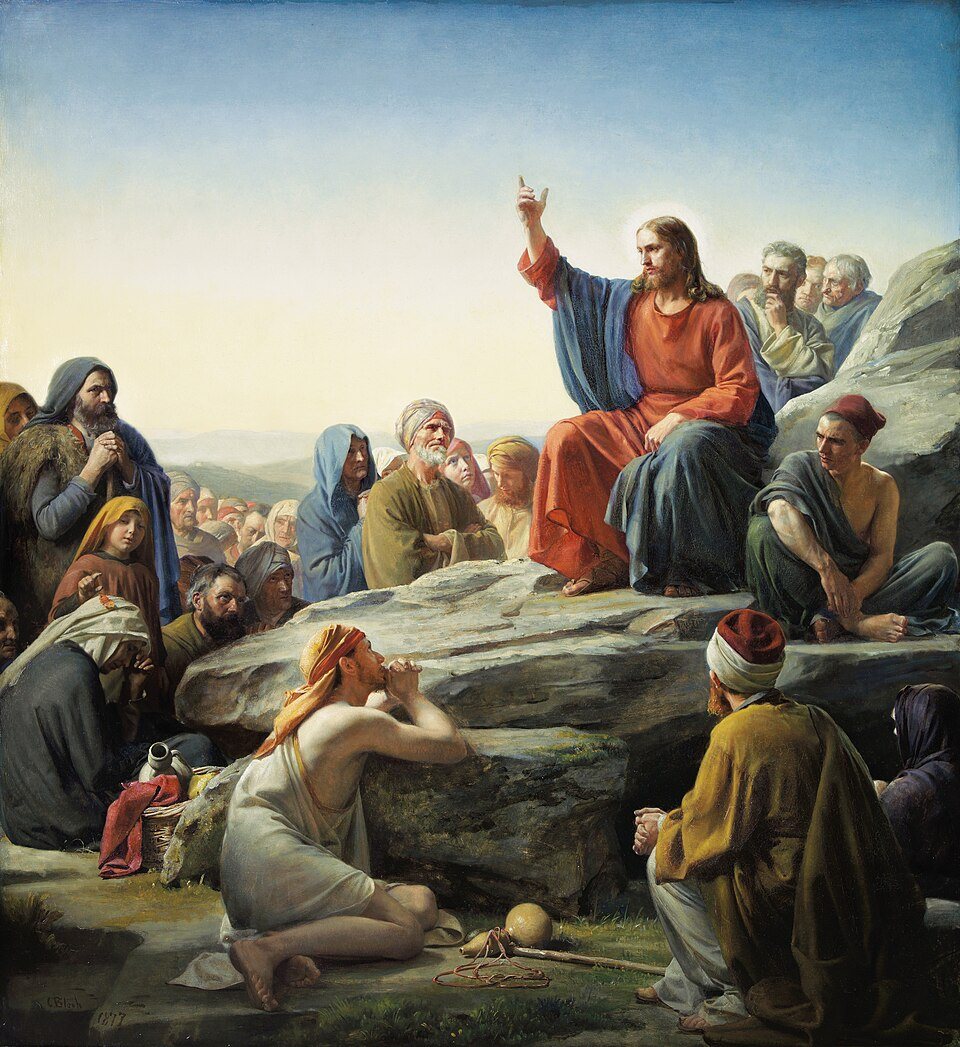
Asked for the greatest commandment, Jesus joined two from the Torah: love God with all your heart, soul, and mind, and love your neighbor as yourself. “On these two commandments hang all the law and the prophets” (Matthew 22:40, KJV). The Sermon on the Mount gathers his teaching: the Beatitudes, which bless the poor in spirit, the merciful, and the peacemakers; the command to love enemies; and the Golden Rule, to do to others as you would have them do to you.
In Matthew 25, Jesus describes a final judgment in which the nations are sorted by one test: whether they fed the hungry, welcomed the stranger, clothed the naked, and visited the sick and the prisoner. “Inasmuch as ye have done it unto one of the least of these my brethren, ye have done it unto me” (25:40, KJV). He also taught pointedly about money, public piety, and power: no one can serve God and wealth; pray in private, not on street corners to be seen; and render to Caesar what is Caesar’s and to God what is God’s.
Christianity: Grace, Creed, and Churches
The movement spread across the Mediterranean largely through Paul, a Jewish Pharisee who first persecuted Jesus’ followers and then, after a vision near Damascus, carried the message to non-Jews. Paul taught that people are put right with God by grace, through faith, not by keeping the law, a teaching Christians would fight over for centuries.
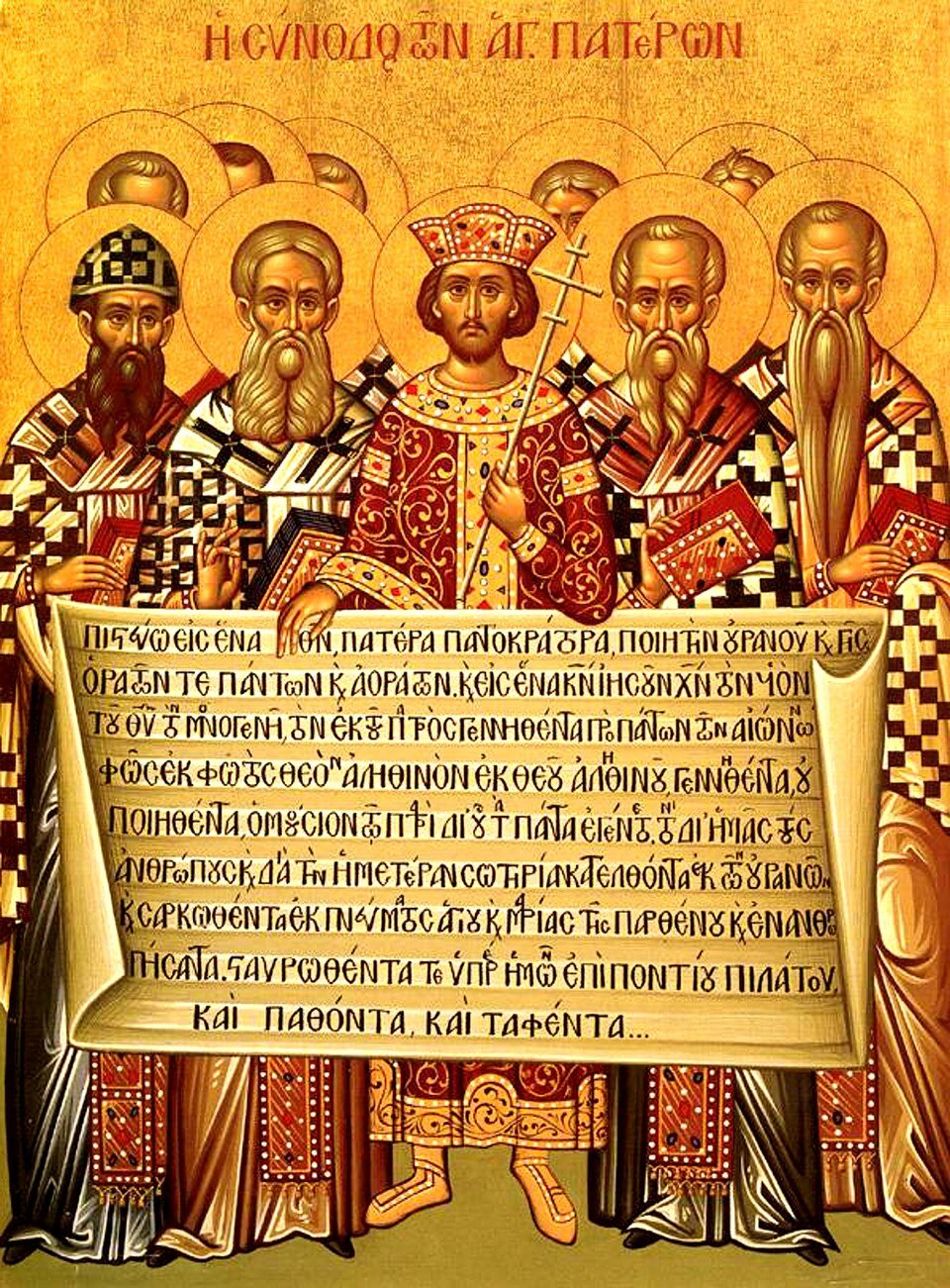
Christians came to describe God as the Trinity: one God in three persons, Father, Son, and Holy Spirit. The creed that most churches still recite began at the Council of Nicaea in 325. Worship centers on sacraments such as baptism and the Eucharist, and on a Bible whose list of books differs by church.
The church split twice in ways that still define it. In 1054 the Greek East and Latin West broke apart, producing the Orthodox and Catholic churches. In 1517 Martin Luther’s protest against the sale of indulgences began the Protestant Reformation. American evangelicalism grew from that Protestant stream.
Christian teaching about society has run in several directions. Catholic social teaching defends the dignity of life, workers’ rights, and an option for the poor. The Protestant Social Gospel and Latin American liberation theology read the Gospels as a demand for justice in this world. The prosperity gospel teaches that faith brings health and wealth, and its sharpest critics are other Christians.
Islam: Submission to the One God
Islam means submission, and a Muslim is one who submits to God. Its foundation is tawhid, the absolute oneness of God: “Say: He is Allah, the One! ... He begetteth not nor was begotten” (Quran 112:1 to 3, Pickthall). Allah is the Arabic name for God, the one God of Abraham.
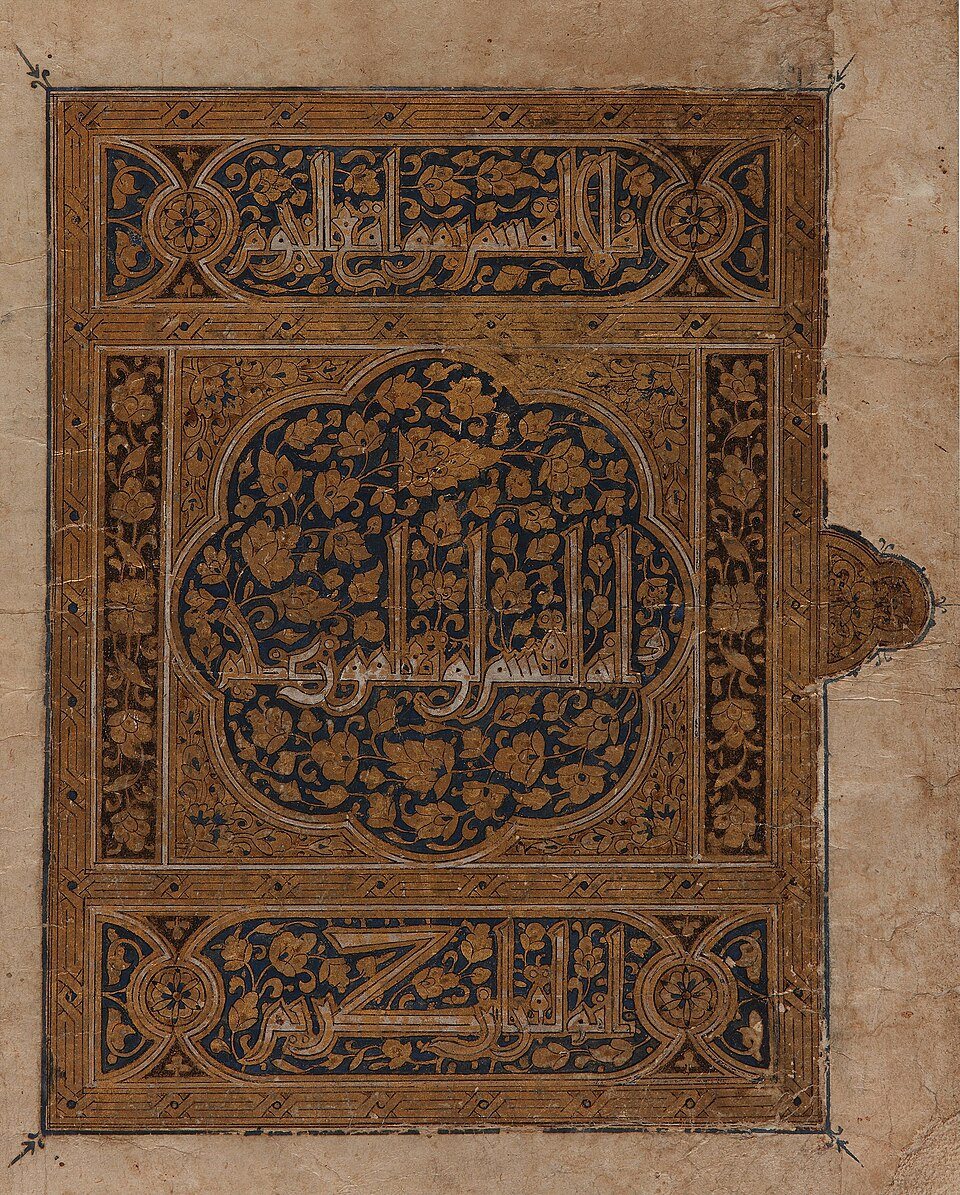
Muslims believe God sent prophets to every people, from Adam through Abraham, Moses, and Jesus, and that Muhammad, born in Mecca around 570, was the last of them. In 610, Muslim tradition holds, the angel Gabriel began reciting to him the words that became the Quran. In 622 he and his followers moved to Medina, the migration that begins the Islamic calendar. Alongside the Quran stand the hadith, reports of what the Prophet said and did.
A famous hadith sums up belief in six articles of faith: God, the angels, the revealed books, the prophets, the Day of Judgment, and divine decree. Islam honors Jews and Christians as People of the Book who received earlier revelation, and it gives Jesus and Mary a place of great honor: Jesus is born of a virgin and called the Messiah, though the Quran denies that he is divine and that he was crucified.
How Islam Is Lived
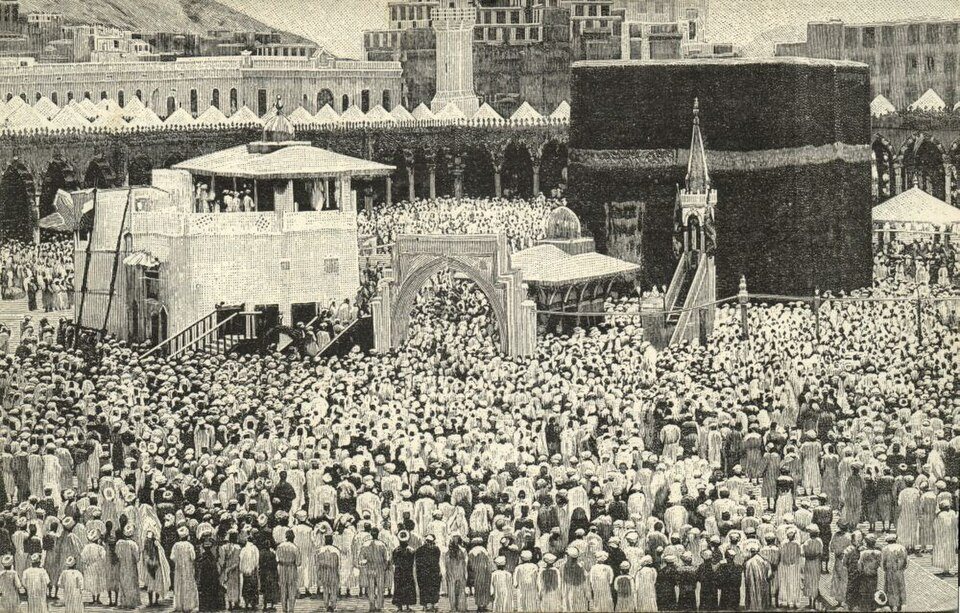
Islam is defined as much by practice as by belief. The Five Pillars frame a Muslim’s life: the declaration of faith; prayer five times a day; zakat, an annual alms of 2.5 percent of qualifying wealth for the poor; fasting in Ramadan, the month the Quran was first revealed; and the pilgrimage to Mecca once in a lifetime for those able. The year’s two great feasts are Eid al-Fitr, ending the fast, and Eid al-Adha, honoring Abraham’s obedience.
The Quran forbids usury in plain terms: “Allah permitteth trading and forbiddeth usury” (2:275, Pickthall). Muslims also differ among themselves. The oldest division, between Sunni and Shia, began as a dispute over who should lead the community after Muhammad died in 632. Sufism, Islam’s mystical tradition, runs through both.
Few Arabic words are as misused as jihad, which means struggle or effort, from a believer’s inner struggle to live well to armed defense under strict rules. The legal side of Muslim life, Sharia, has its own page on this site, which shows that for most Muslims it is a personal guide to prayer, food, family, and ethics. Islamic civilization also gave the world a scientific and philosophical golden age whose translations carried Greek learning back to Europe.
Shared Ground and Real Differences
“Christians, Jews, and Muslims don’t even worship the same God.”
All three describe the one God of Abraham. The Quran tells Muslims to say to Jews and Christians, “our Allah and your Allah is One” (29:46, Pickthall), and the Catholic Church’s Vatican II declaration says Muslims “adore the one God.” They disagree sharply about what God has revealed, especially about Jesus, but not about which God they mean.
The three faiths share more than an ancestor. Each teaches one God who creates, reveals, and judges; each honors a line of prophets running through Abraham and Moses; each believes in angels, a final judgment, and a scripture given by God. Each also states some version of the Golden Rule, in the words of Hillel, Jesus, and the Prophet.
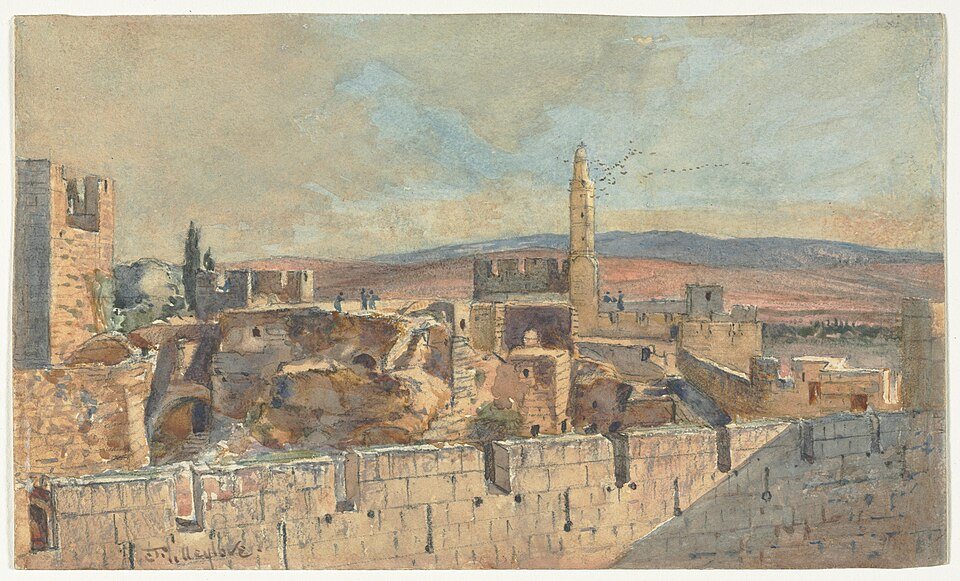
Each commands care for the stranger and the poor. Leviticus tells Israel to love the stranger “as thyself; for ye were strangers in the land of Egypt” (19:34, KJV). Jesus counts welcoming the stranger among the acts by which the nations are judged (Matthew 25:35). The Quran commands kindness to “the neighbour who is not of kin” and “the wayfarer” (4:36, Pickthall). All three once condemned lending at interest, and all three hold Jerusalem sacred.
The differences are just as real. Jews await a messiah who has not yet come; Christians believe Jesus was that messiah and divine; Muslims honor him as a prophet and the Messiah but not as God’s son. Judaism centers on the law and the covenant community; Paul’s Christianity centers on grace received by faith; Islam joins belief to a practical law for daily life. Christians read the Bible as inspired writing by human authors, while Muslims hold the Quran to be God’s own words, dictated in Arabic.
The Ten Commandments, Counted Three Ways
The Ten Commandments appear twice in the Torah, in Exodus 20 and Deuteronomy 5, and all three Abrahamic faiths honor them, but Jews, Catholics, and most Protestants divide and number them differently. The text contains more than ten commands, and traditions group them in different ways. For Jews the first commandment is “I am the LORD thy God, which have brought thee out of the land of Egypt” (Exodus 20:2). Catholics and Lutherans fold the ban on images into the first commandment and split coveting into two. Most other Protestants make the ban on graven images a separate second commandment.
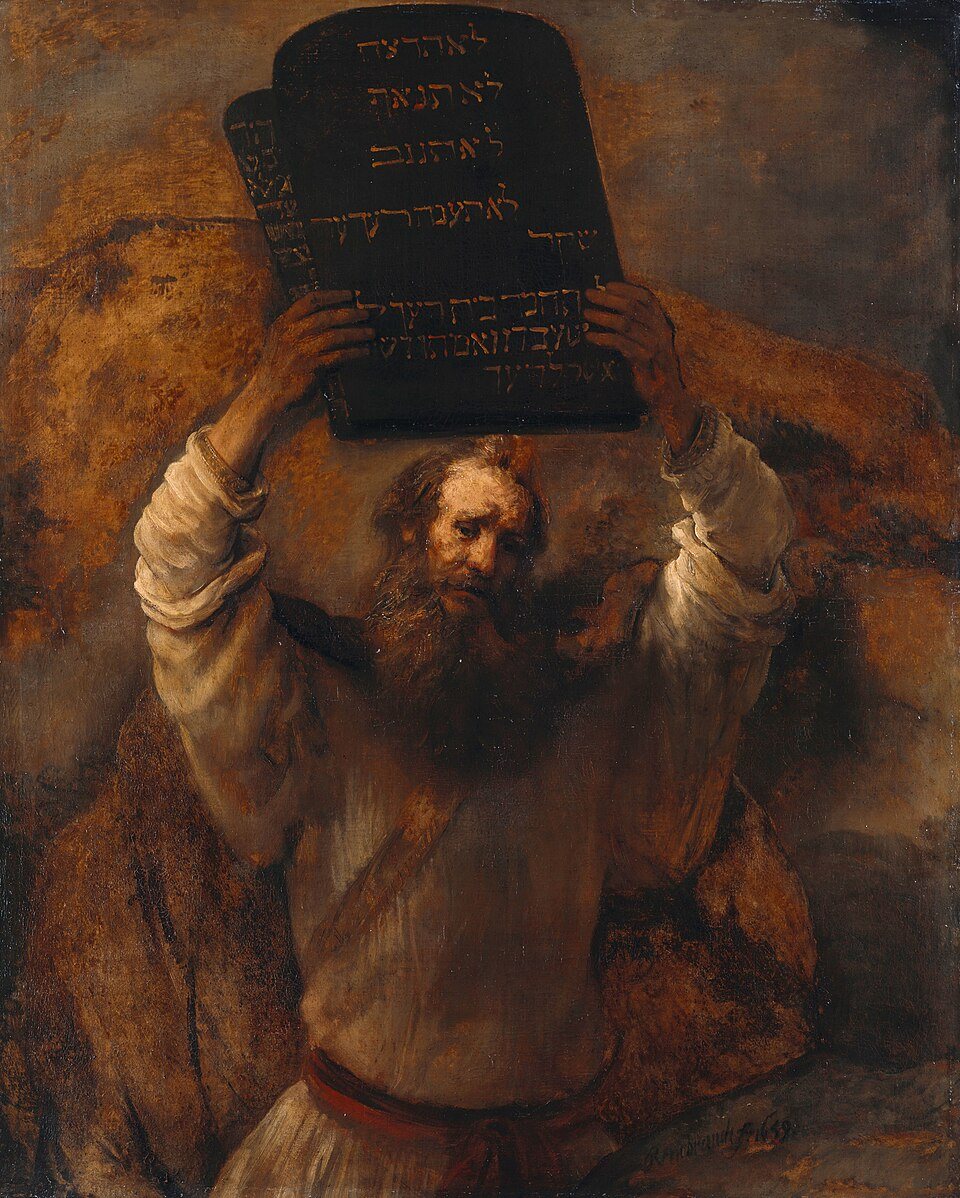
The numbering is no longer only a question for scholars. Louisiana in 2024, then Arkansas and Texas, passed laws requiring the Ten Commandments in public school classrooms, and Texas prescribes a state-selected text drawn from the King James Bible. Because the traditions number and word the commandments differently, a Jewish or Catholic child may find a version on the classroom wall that is not their own.
Abortion, Women, and the State
On abortion, the three traditions disagree with one another and within themselves. The Catholic Church teaches that life must be protected absolutely from conception. Jewish law holds that a fetus becomes a full person only at birth, and the Mishnah requires ending a pregnancy that threatens the mother’s life. Islamic schools of law agree that abortion is permitted to save the mother and generally forbid it after 120 days, the point at which a hadith places ensoulment, while differing on earlier stages.
On women’s roles, the same scriptures have produced opposite practices. Reform Judaism ordained the first American woman rabbi in 1972; the Catholic Church teaches that only a baptized man can be ordained; the Southern Baptist Convention limits the office of pastor to men. The Quran addresses believing men and women in parallel and promises both the same reward.
On religion and the state, each tradition has lived under kings and under secular law. The rabbis taught that the law of the land is binding law. Jesus told his listeners to render to Caesar what is Caesar’s, and Thomas Jefferson, answering Baptists in Danbury, Connecticut, described a wall of separation between church and state. Islamic history runs from the Prophet’s own community in Medina through caliphs and sultans to modern secular republics.
Fundamentalism and Christian Nationalism
“America was founded as a Christian nation, so the government should say so.”
The Constitution never mentions God or Christianity, and its First Amendment bars establishing a religion. Thomas Jefferson described a wall of separation between church and state. Polling by the Public Religion Research Institute in 2025 found about two-thirds of Americans reject or doubt Christian nationalist ideas, including many devout Christians.
Fundamentalism is a modern movement, not the original form of any faith. The word comes from a Protestant series, The Fundamentals, published from 1910 to 1915 to defend traditional doctrine against modern biblical criticism, and a Baptist editor coined fundamentalist in 1920. Scholars later applied the term to militant movements in all three traditions that claim to restore an original, uncompromised faith. The 20th-century roots of Islamist jihadism, and of Christian Reconstructionism and the Seven Mountains Mandate, are traced on the site’s Sharia and Joshua Generation pages.
Christian nationalism is distinct from Christianity. The Public Religion Research Institute measures it with five statements, including that the U.S. government should declare America a Christian nation and that God has called Christians to exercise dominion over all areas of American society. In 2025, 11 percent of Americans fully agreed and 21 percent leaned toward agreement, while two-thirds were skeptics or rejecters. Most American Christians fall in the second group.
Rivals, Rescuers, and Neighbors
The history between the three faiths includes long stretches of persecution. Christian Europe taught for centuries that all Jews bore guilt for the crucifixion, a teaching that fed massacres, expulsions, and the myths the Nazis later used. Religious minorities still face persecution in parts of the world today, as the site’s Sharia page documents for blasphemy and apostasy laws. The site’s International Bankers page traces how one antisemitic myth was built.
The same history holds rescuers. In October 1943, Danish fishermen ferried about 7,200 Jews to safety in Sweden. Muslim Albanians, bound by a code of honor called besa, sheltered Jews through the German occupation. Yad Vashem has recognized more than 28,000 rescuers as Righteous Among the Nations.
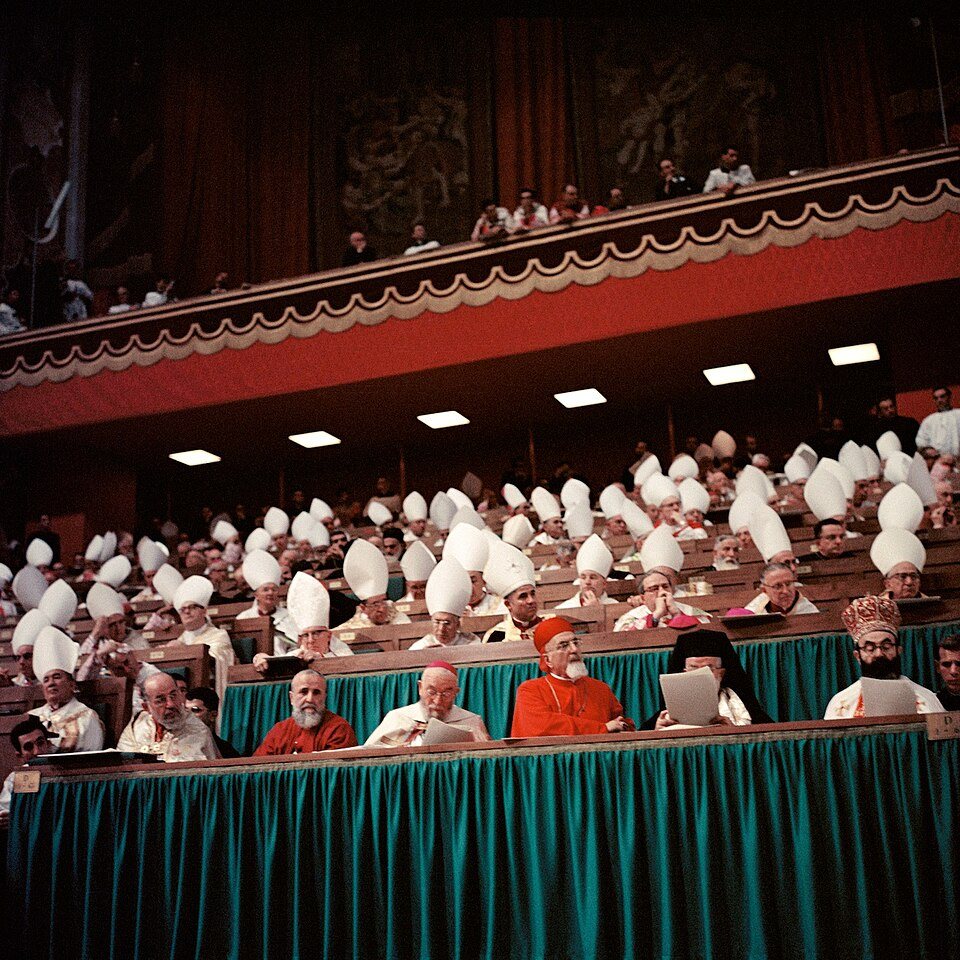
Since the Holocaust, the faiths have made formal peace. In 1965 the Second Vatican Council’s declaration Nostra Aetate rejected collective Jewish guilt for Jesus’ death and spoke of Muslims with esteem. In 2007, 138 Muslim scholars wrote to Christian leaders in A Common Word Between Us and You, arguing that love of God and love of neighbor are the common ground of both faiths. The command Jews, Christians, and Muslims share is the same one Hillel, Jesus, and the Prophet each put in their own words.