What the Third Ways Are
A third way is a system that claims to be neither capitalism nor socialism. Britannica says the term has been used for many things, from Nordic social democracy to fascism (how the term is used). Six systems that make the claim are covered here: distributism, Georgism, corporatism, technocracy, social credit and cooperatives. Each started from a diagnosis of its time, and each proposed to keep what it liked about markets and about public action while changing who owns what or who decides.
Distributism is the clearest case. Christianity Today describes it as a “third economic solution” distinct from both capitalism and communism. The others reach the same neighborhood by different routes: taxing land, organizing employers and workers into state-recognized bodies, putting engineers in charge, redesigning money, or letting members own their firms. Proudhon’s mutualism, a cousin of the cooperative idea, is covered under anarchism, and fascism’s corporate state under fascism.
Distributism: Property for the Many
Distributism holds that productive property should be spread as widely as possible, not held by a few owners or by the state. Hilaire Belloc set out the case in The Servile State (1912), the first clear statement of its principles, and G. K. Chesterton became its most famous advocate. Chesterton called capitalism a system that concentrated wealth in few hands and said communism only “reform[ed] the pickpocket by forbidding pockets.” His own principle: “Every man should have something that he can shape in his own image.” (Belloc and Chesterton)
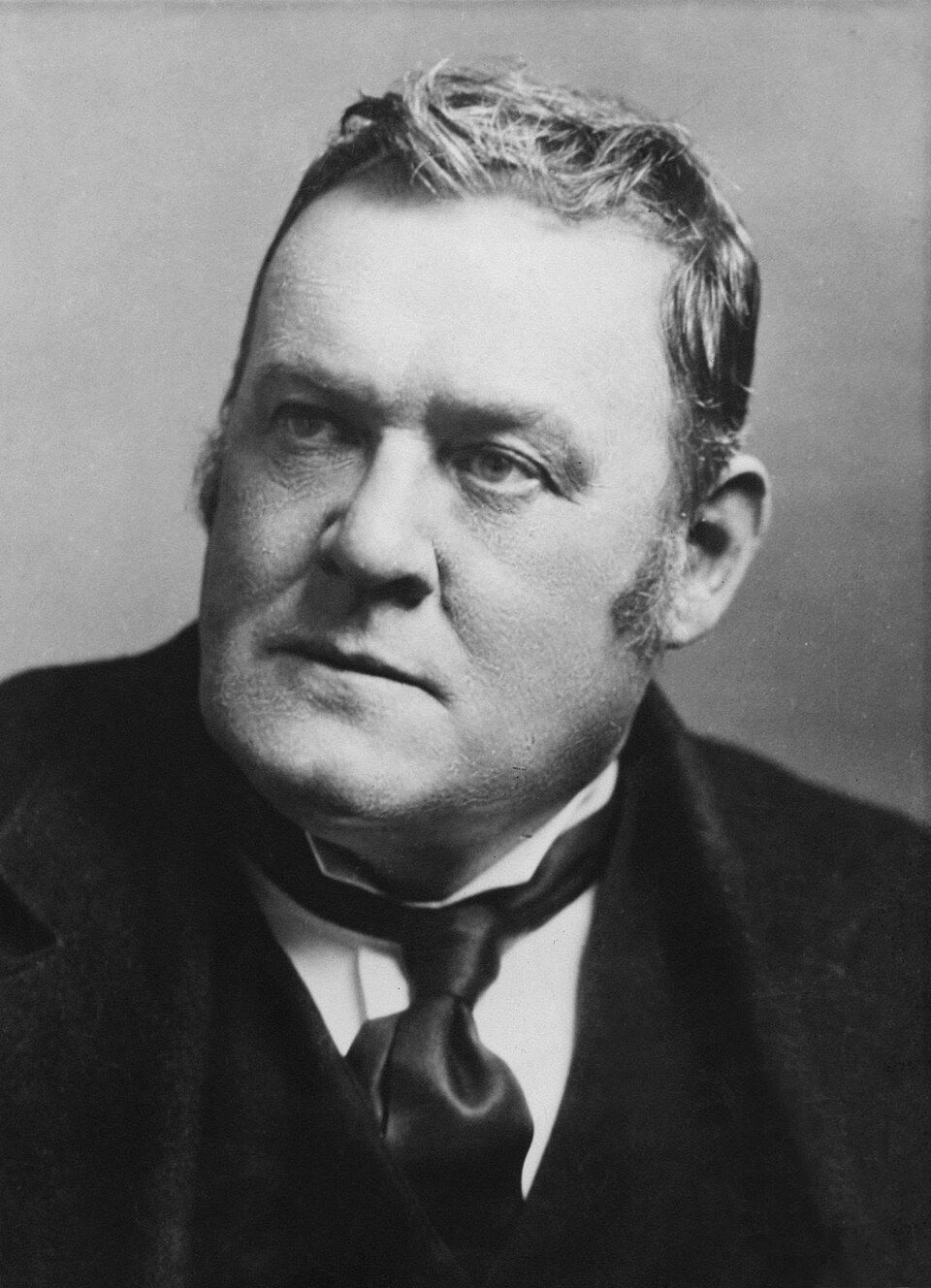
The remedy was to give individual workers control over their own land, labor and finances, looking for models to the serfs, freeholders and guildsmen of the Middle Ages. Its Catholic roots lie in Leo XIII’s 1891 encyclical, which said a working man’s savings invested in land are “only his wages under another form” (Rerum Novarum). Distributists were not revolutionaries: Chesterton advocated gradual measures such as taxes and tariffs to support small enterprises. The Distributist League, founded in 1926, peaked at 2,000 members in 1928 and capsized in the 1940s (the League). Critics, among them Richard John Neuhaus, called the program impractical (the critique), and later ventures such as Mondragon and the Catholic Worker carried its spirit (its legacy).
Georgism: Taxing the Land, Freeing the Rest
Henry George asked in Progress and Poverty (1879) why wealth grew while poverty did too. Britannica says he found the answer in rising land prices: since progress meant a growing scarcity of land, idle landowners reaped ever greater returns at the expense of labor and capital. His remedy was the single tax: the state would tax away all economic rent, income from bare land but not from improvements, and abolish all other taxes.
Land stays privately held and improvements stay the owner’s, but the community collects the value that community growth creates. George was a democratic reformer. He left school before his 14th birthday, worked as a clerk and a sailor, and wrote the book in the 1870s while holding a state post as gas-meter inspector, in the discontent that followed the depression of 1873 to 1878. In 1886 he ran for mayor of New York as the reform candidate and lost narrowly to Abram Hewitt, finishing ahead of Theodore Roosevelt (the 1886 race). Britannica says his remedy had no significant practical result and few reputable economists supported it, and that critics observe taxes on site values can reduce the incentive to make sites valuable (the objection).
Corporatism: Employers and Workers as Organs of the State
Corporatism organizes society by occupation: workers and employers of each trade join one body that regulates it. Its Catholic version appears in Pius XI’s Quadragesimo Anno (1931), which called guilds or associations of those in the same industry or profession “natural to civil society” (the guild argument). Private property stays, and class conflict is meant to give way to cooperation.
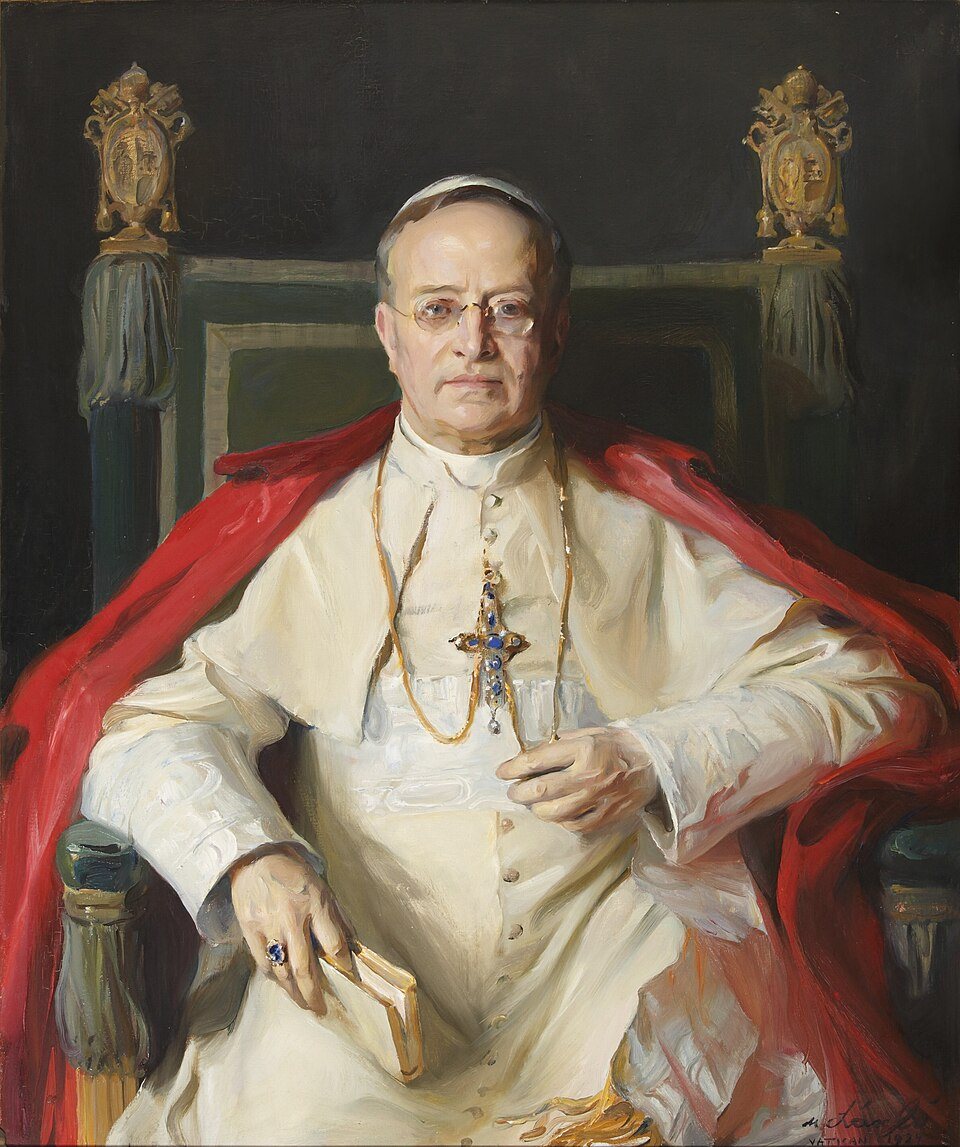
The encyclical also describes a system then recently inaugurated, in which the civil authority constitutes the syndicate as a legal person with a monopoly privilege, and corporations of delegates from workers’ and employers’ syndicates act as organs of the State. Strikes and lock-outs are forbidden, and public authority intervenes in disputes (the system described). Pius XI listed the advantages and then the doubts: that the State might substitute itself for free activity, and that the order might serve particular political ends (his reservations).
Technocracy: Rule by Engineers
Technocracy holds that engineers and technical experts, not politicians or markets, should run the economy. The Dictionary of American History says William Henry Smyth coined the word in 1919 and that the engineer Howard Scott revived it during the Great Depression. Scott believed technocrats familiar with modern machinery could automate production, distribute wealth and increase consumption (Scott’s movement).

The economy would be measured in energy: a product’s value would be set by the energy consumed to produce it, and money replaced by “energy certificates” good for a certain amount of consumption (the certificates). Each citizen would get an annual income of $20,000 in exchange for a minimum of work. Scott’s group conducted an energy survey of North America from office space at Columbia University. Professional economists scorned it, and the movement essentially ended in 1933 (what it left behind).
Cooperatives: Firms Owned by Their Members
A cooperative, in the International Cooperative Alliance’s 1995 definition, is an autonomous association of persons united voluntarily to meet their common economic, social and cultural needs through a jointly owned and democratically controlled enterprise. The roots of the movement’s principles lie with the Rochdale pioneers, who established the first modern cooperative in Rochdale, England, in 1844 (Rochdale).

The Alliance’s seven principles are voluntary and open membership; democratic member control; member economic participation; autonomy and independence; education and training; cooperation among cooperatives; and concern for community (the seven principles). The best-known large case is Mondragon in Spain, begun in 1956, which lists 81 self-governing cooperatives. Cooperatives compete in markets, so they are a market form of the third way; they do not replace markets. The Alliance lists their values as self-help, self-responsibility, democracy, equality, equity and solidarity, with honesty, openness, social responsibility and caring for others as the ideals behind them.
The Third Ways Today
Cooperatives are the living case: Mondragon lists 81 cooperatives and around 70,000 people, and the Alliance’s seven principles guide cooperatives around the world. Distributism’s influence persists in the Catholic Worker Movement, the Antigonish Movement in Canada and Mondragon, according to Christianity Today, and in E. F. Schumacher’s 1973 Small Is Beautiful.
The political movements are smaller. Britannica’s account of George ends with his failed remedy. The Canadian Encyclopedia says that by the 1990s Social Credit had weakened as a viable force and that parties affiliated with it are generally considered on the political fringes. In British Columbia the “Socreds” name persists. Britannica’s note that the “third way” label has been used for everything from Nordic social democracy to fascism applies to all of them: the claim to a middle path settles little.
Social Credit: Money for Consumers
Social Credit was formulated by the English engineer Major C. H. Douglas, who argued that economic hardship came from a capitalist economy that failed to give people enough purchasing power to buy what it produced. He advocated distributing money, or social credit, so people could buy what society readily produced. His method was called the “A plus B theorem” (Douglas’s doctrine).
It would have stayed obscure in Canada, the Canadian Encyclopedia says, except that in 1932 the Alberta evangelist William Aberhart converted to it and promoted it on his Christian radio program. In 1935 Aberhart led the new Social Credit Party to victory in Alberta, taking 56 of 63 seats with 54 percent of the vote, the world’s first Social Credit government (the 1935 victory). The party won nine successive elections and governed Alberta until 1971, but it did so by replacing social credit fundamentalism with conservative financial and social policies. Later Socred governments and Quebec’s Creditistes followed the same pattern. In British Columbia, a Social Credit government elected in 1952 under W. A. C. Bennett paid no attention to the doctrine and governed for 20 years with conservative finances and development schemes. In Quebec, Real Caouette’s movement won 26 seats in 1962.