What Communes and Utopias Are
People who try to build a better society at small scale by living, working and owning property together, often apart from the wider world. The word “utopia” comes from Thomas More’s 1516 book, whose island had no private property and offered free education to men and women; the name means “no place” (More’s Utopia). A commune is the practical version: a group that actually lives the plan.
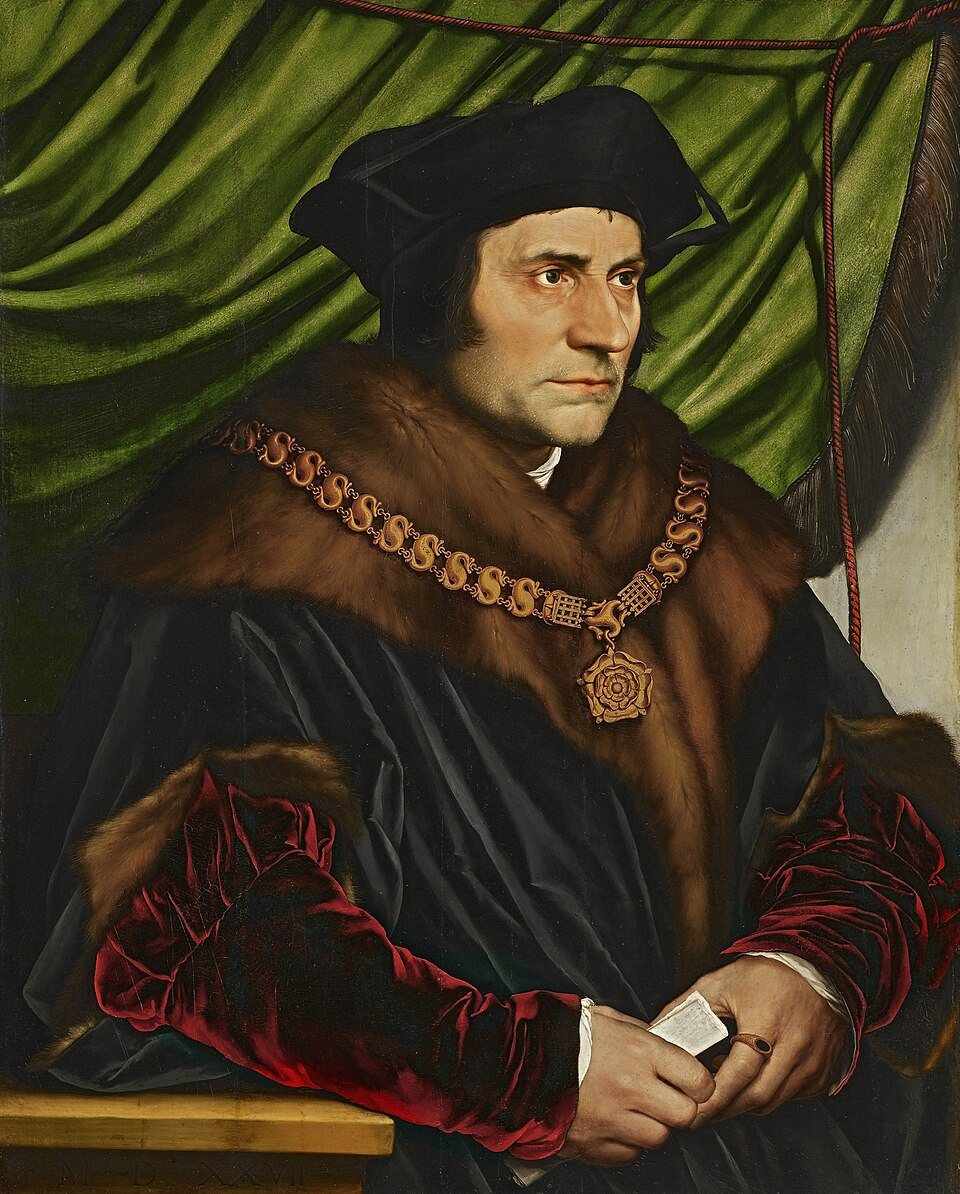
The tradition is old. Britannica traces communal property to Plato’s Republic, the early Christian communities and monastic orders, and the Anabaptists of Muenster and the English Diggers tried it in the 1500s and 1600s. The American 19th century and the 1960s were the two great periods of experiment, and some of what they started is still running.
Who Owns It: Held in Common by the Group
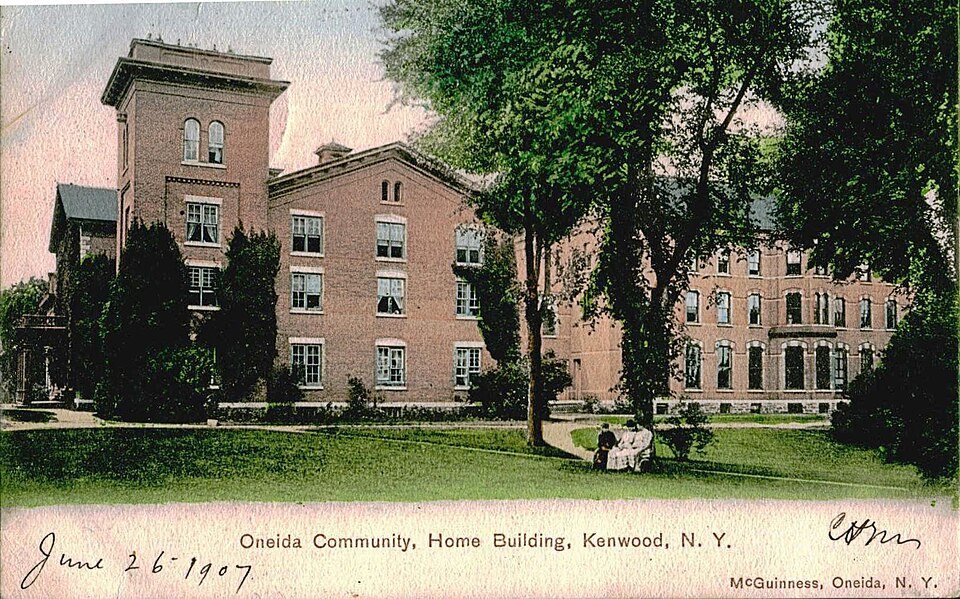
Communes put property in common, to varying degrees. The Shakers held all goods in common. The Oneida Community called its system “bible communism,” sharing resources, property and even romantic relationships (Oneida). The Hutterites, founded in 1528, share ownership of property in colonies of about 80 to 150 people (the Hutterites).
Not every plan was so complete. Charles Fourier’s phalanx, for about 1,600 people, left room for private investment, and Brook Farm paid members a dollar a day. The kibbutz holds all wealth in common but has edged toward more private life since 1948, Britannica says. At Twin Oaks in Virginia, members pool income and work in community businesses, making hammocks and chairs, indexing books and making tofu (Twin Oaks).
Who Rules: Founders, Elders and Meetings
Communes have had every kind of rule. Oneida’s Noyes was considered the direct representative of God, and his followers followed his directives. Hutterite colonies are governed by a Council of Elders of baptized men. Kibbutzim decided matters at weekly general meetings.
The sociologist Rosabeth Moss Kanter asked in 1972 why some communities lasted. A review of her book reports the longest-lasting groups were the most highly organized, institutionally comprehensive and ideologically monolithic, and that survival seemed to require austerity, renunciation, hard work and “mortification” of private identity (Kanter’s study).
What Communitarians Believe
Beliefs vary by community, but many share two: that people are shaped by their surroundings, and that cooperation can replace competition. Robert Owen held that human nature is formed, not fixed, and ran his New Lanark mills profitably without employing children under ten. Fourier proposed that work could become “attractive labor.”
The religious communes added doctrines of their own. The Shakers, following Ann Lee, taught celibacy, equality of the sexes and pacifism. John Humphrey Noyes taught Perfectionism, the belief that people could be free of sin in this world. The Hutterites, organized by Jakob Hutter, base their life on early Christian teaching and a literal reading of the Bible. Twin Oaks lists egalitarianism, feminism and sustainability, and Auroville a universal township in human unity (Auroville).
What Communitarians Value
In rank order: community and sharing first; equality; hard work and self-sufficiency; and a simple, shared life. The Shakers were known for craftsmanship, and the Oneida mansion housed over 300 members who emphasized selflessness and a strong work ethic.
What it asks people to trade away is privacy and personal property, and in some communes much more. The Shakers gave up sex and families of their own, and Oneida gave up exclusive couples for complex marriage. Two opposite ways of handling the family, set out in one node, show how far the experiments went. Kanter’s finding is the same: durable communities demanded a great deal of the individual.
The values are kept alive by practice. Kanter’s commitment mechanisms include shared ideologies or religious creeds, symbols and ceremonies that bind, and strict regulation of outside contacts. A commune that skips them, she found, tends to dissolve, and the “do-your-own-thing” version of community was the most fragile. The values the founders announce matter less than the habits that make leaving costly.
A Short History of Communes and Utopias
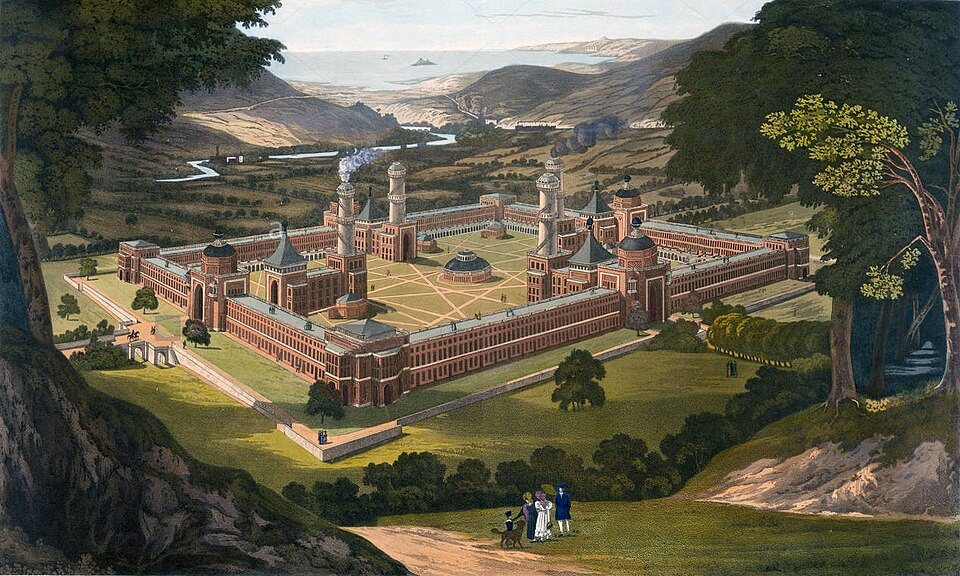
Britannica’s list of precursors runs from Plato to the Diggers. In April 1649 about 20 poor men began digging common land at St. George’s Hill, Surrey; they were dispersed by the end of March 1650. The Hutterites formed in 1528 and the Shakers sailed to America in 1774. Robert Owen ran New Lanark from 1800 to 1829 and bought the settlement of New Harmony, Indiana in 1825 (New Harmony).
The 1840s and 1850s brought Fourierist and other experiments: Brook Farm and the Icarian colonies, and Oneida in 1848. The kibbutz began with Degania in 1909, and in the 1960s came the modern communes: Twin Oaks in 1967 and Auroville in 1968. Kanter’s 1972 book compared the 19th-century groups with the 1960s counterculture communes.
The Branches of Communes and Utopias
Religious communes include the Shakers, Hutterites and Oneida. Socialist and utopian communities include Owen’s, Fourier’s and Cabet’s. Secular egalitarian communities include Twin Oaks. Spiritual or philosophical townships include Auroville. The kibbutz is a national movement of cooperative settlements. Anarchist experiments such as Christiania in Copenhagen sit alongside them.
Their relatives are intentional communities and ecovillages: the Global Ecovillage Network lists both Auroville and Twin Oaks. The Catholic Worker, a movement of houses of hospitality, calls for a decentralized society, and cooperatives such as Mondragon share some of the ideas without the isolation.
Where It Has Been Tried
Most communes were short-lived. New Harmony failed within a few years and took most of Owen’s fortune. Brook Farm lasted from 1841 to 1847. The Icarian colony at Nauvoo never exceeded 1,800 people and lost its founder in 1856. Oneida lasted from 1848 to 1881, ending in a joint-stock company (how it ended). The Shakers had nineteen communities at their peak in the mid-1800s and one now (the Shaker decline).

A few endured. The Hutterites have lived communally since 1528, and about 50,000 live in colonies in Canada and the western United States. The kibbutzim, begun in 1909, numbered more than 250 by the early 21st century. Twin Oaks has run since 1967. These are the cases Kanter’s question points to: what do the long-lived groups have in common?
The long-lived cases have clear features in the sources. Hutterite colonies are self-governed, educate their children within the colony, and are primarily engaged in large-scale agriculture. The Shakers had a creed, a leader and craft industries. Oneida sold goods for gain and turned into a company. In each, the community supplied work, a living and an identity together, which is the kind of commitment Kanter described.
The Case for It and the Case Against It
“Communes always fail.”
Most do: Kanter’s study notes the ephemeral nature of most communes. But the Hutterites have lived communally since 1528, with about 50,000 members today; more than 250 kibbutzim exist; and Twin Oaks has run since 1967. What the long-lived groups share, Kanter argued, is strong organization and a shared creed.
Defenders say communes show people can share property, work and decisions, and that a small group can meet needs that markets and states meet badly. Owen’s New Lanark was profitable and humane, and Twin Oaks reports a 42-hour week that includes the tasks of running a rural village of 100 people. Kanter was warmly optimistic about the commune’s potential for self-fulfillment and brotherly love.
Critics point to the failures and the price of survival. The review of Kanter’s book says the “do-your-own-thing” impulse generally proved fatal and that her findings raise “disturbing questions about the authoritarian implications” of the experiments (the review’s caution). Oneida, which called itself socialist but favored capitalism, ended when its founder fled a threatened arrest in 1879, and the Shakers’ celibacy meant they depended on converts and adopted children.
What Communes and Utopias Are Not
“A commune is just a hippie thing from the 1960s.”
The Hutterites began in 1528, the Shakers came to America in 1774, Owen founded New Harmony in 1825, and Oneida started in 1848. Kanter’s 1972 study compared those 19th-century communities with the 1960s counterculture communes. The 1960s produced Twin Oaks (1967) and Auroville (1968), both still running.
They are not the same as cults, whose notorious cases such as Jonestown are covered on the cults page; several of these communes, such as the Hutterites, have lasted centuries. They are not simply cooperatives, which are firms owned by their members and sit inside markets. And they are not states: a commune is a group of dozens or hundreds, not a country.
“Utopia” is also not the same as an impossible dream, though its Greek roots mean “no place.” More’s book was a thought experiment, and the communes that followed were attempts to make the thought real.
Communes and Utopias Today
Living communities include the Hutterites (about 50,000), the kibbutzim (more than 250, with over 100,000 people by the early 21st century), Twin Oaks (about 100 people on 485 acres), Auroville in India, which UNESCO and the Indian government have supported, and Christiania in Copenhagen. In April 2024 Christiania’s residents dismantled Pusher Street, its drug market.

The Shakers are the cautionary case. The Sabbathday Lake community in Maine is the last active one, with fewer than a dozen members, and it preserves buildings, farmland, gardens and educational programs. Shaker membership remains selective, requiring candidates to be single, independent and committed to celibacy, prayer and service.